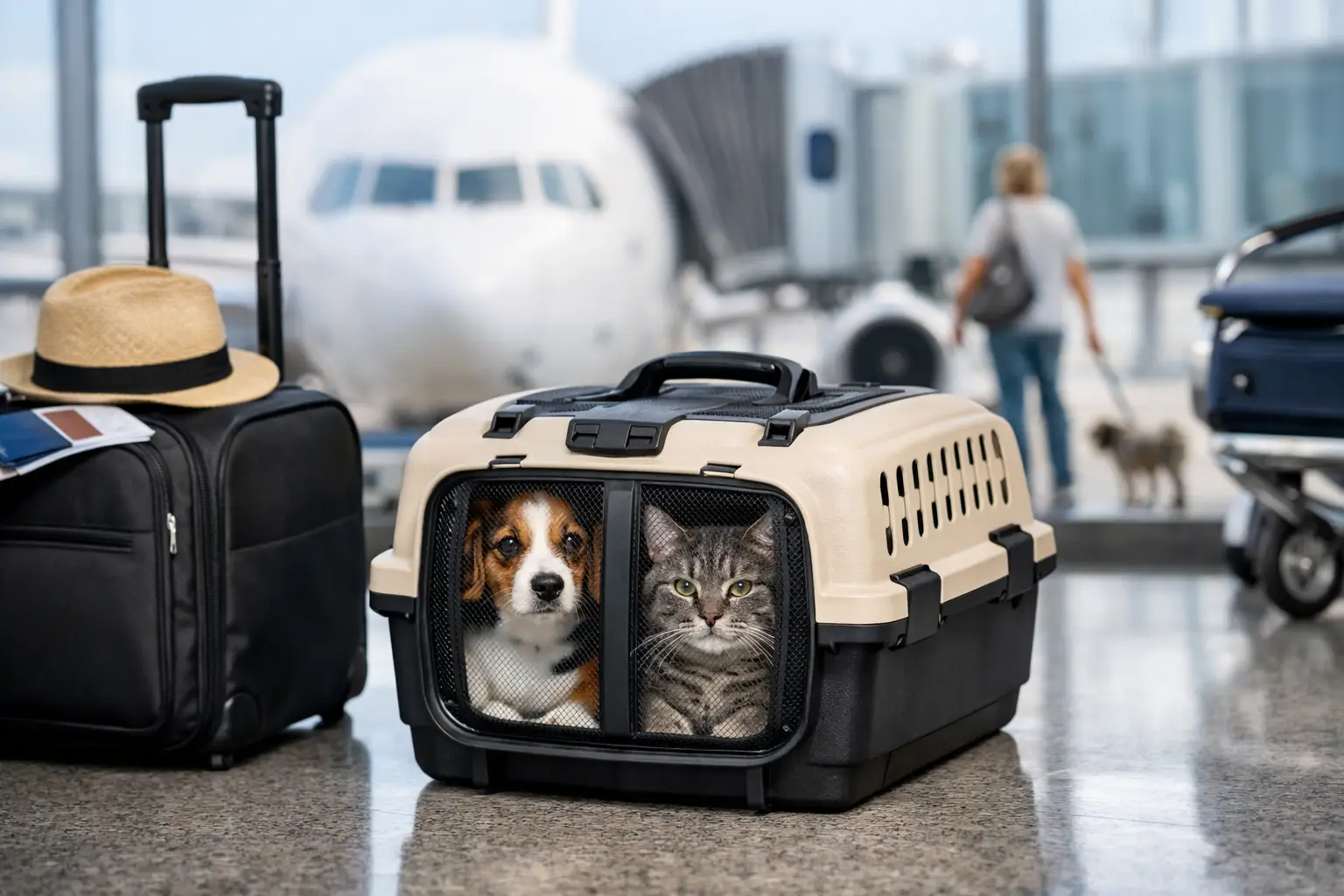
You can do everything right for your pet’s trip and still get stopped at check-in because the carrier is a little too tall, too wide, or too stiff to fit under the seat. That is why airline approved pet carrier size matters so much. It is not just about buying a carrier labeled “travel friendly.” It is about choosing one that works for your pet, your airline, and the specific flight you are taking.
Here is the part that catches many pet parents off guard: there is no single universal carrier size that every airline accepts. Most airlines have their own under-seat space limits, and those limits can change based on aircraft type, seat location, and whether the carrier is soft-sided or hard-sided.
That means a carrier that worked on one trip might not be the best pick for another. A soft-sided carrier often gets more flexibility because it can compress slightly to fit under the seat. A hard-sided carrier is less forgiving, even if the listed dimensions look close enough. If you want fewer surprises at the airport, treating airline rules as the starting point instead of the carrier label is the smarter move.
When shoppers search for an airline approved pet carrier size, they are usually trying to answer two questions at once. First, will the carrier fit under the seat? Second, will their pet actually fit inside comfortably?
For in-cabin travel, many airlines expect a carrier to fall somewhere around 18 inches long, 11 inches wide, and 11 inches high, though that is only a rough benchmark. Some allow a little more length and less height. Others are stricter, especially on smaller planes. This is why “airline approved” should be treated as a helpful category, not a guarantee.
Just as important, your pet should be able to stand up without crouching too much, turn around, and lie down in a natural position. If the carrier meets the airline’s size rules but your dog or cat cannot move comfortably, it is not the right fit. The best carrier size sits in the middle of those two needs – compact enough for the plane, roomy enough for your pet.
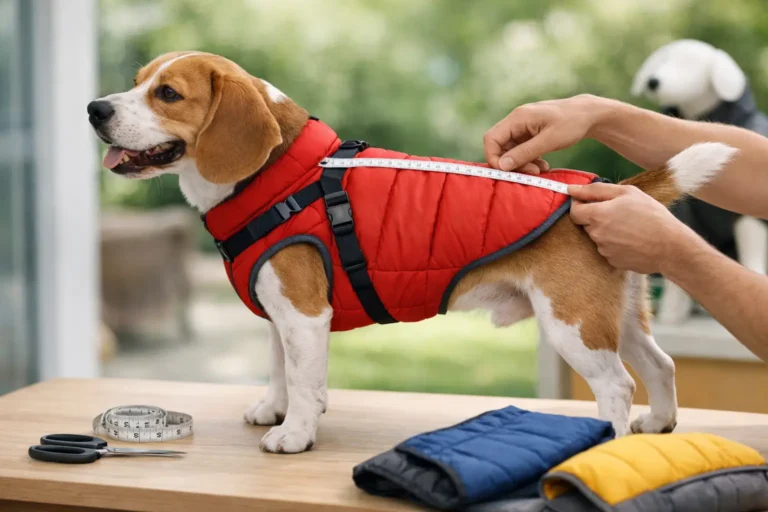
Before you shop, measure your pet instead of guessing by breed or weight alone. Two dogs with the same weight can have very different body shapes. A long-bodied dog may need more interior length, while a taller dog may run into height issues first.
Measure your pet from the tip of the nose to the base of the tail for body length. Then measure from the floor to the top of the shoulders or top of the head, depending on how your pet naturally sits and stands. You should also check weight, since many airlines set both size and weight limits for pets traveling in the cabin.
A good rule is to compare your pet’s measurements to the carrier’s interior dimensions, not just the exterior dimensions shown on the product page. Exterior measurements tell you whether it may fit under the seat. Interior space tells you whether your pet will be comfortable. Both matter.
For most in-cabin trips, soft-sided carriers are the more practical choice. They are popular for a reason. They tend to fit airline size requirements more easily, they slide under seats with less trouble, and they are usually lighter to carry through the terminal.
Hard-sided carriers can be sturdy and easy to clean, but they are often better suited for other types of travel. On a plane, their fixed shape can be a drawback. If the under-seat space is tight, there is no give. Even being off by an inch can create a problem.
That does not mean soft-sided is always better in every situation. If your pet is anxious and scratches heavily, a stronger structured carrier may feel more secure. But for shoppers focused on airline approved pet carrier size, soft-sided options usually offer the best balance of comfort, convenience, and flexibility.
One common mistake is shopping by weight only. A carrier might say it is suitable for pets up to 15 or 20 pounds, but that does not mean your pet’s body shape will fit comfortably inside. Length and height matter just as much as weight.
Another mistake is buying the biggest carrier the airline might allow. Extra room sounds nice, but if the carrier is pushing the size limit, you risk trouble at boarding. A slightly smaller, well-ventilated carrier is often the safer pick.
There is also the issue of seat location. Bulkhead rows and some premium seating areas may not allow under-seat pet storage the same way standard seats do. So even if your carrier size is approved, your seat assignment can still affect the trip.
Getting the dimensions right is step one, but a good travel carrier should also make the whole airport experience easier. Look for breathable mesh panels, secure zippers, and a stable base that does not sag too much when your pet is inside. A removable padded liner can also help with cleanup and comfort.
Carrying options matter more than people expect. A shoulder strap, top handles, and luggage strap can make a long travel day feel much easier. If you are moving through security, waiting at the gate, and handling your own bags, convenience is not a bonus feature. It is part of what makes the trip manageable.
A carrier with clear shape retention can also help. Soft-sided does not have to mean floppy. The ideal style is flexible enough to fit under the seat but structured enough that your pet still has a comfortable space.
Product labels can be optimistic. “Airline approved” sounds reassuring, but it is best to verify the details yourself. Check the listed dimensions carefully and compare them with your airline’s current in-cabin pet requirements. Then look at the carrier’s interior space and overall design.
Photos can help, but they are not enough. Read dimensions in inches, and if the product only highlights broad terms like small, medium, or large, that is not specific enough for flight shopping. You want exact measurements and a clear sense of whether the sides are flexible.
This is also where convenience matters for everyday shoppers. A broad pet shop selection makes it easier to compare travel styles, sizes, and comfort features in one place instead of bouncing between stores. That kind of quick comparison can save time and lower the chance of buying the wrong carrier.
Sometimes the problem is not the carrier – it is that your pet simply does not fit the in-cabin limits comfortably. If your dog is too tall to stand and turn around in an under-seat carrier, trying to make it work usually leads to a stressful experience for both of you.
Small dogs, cats, and compact pets tend to be the best match for in-cabin carriers. If your pet is on the edge of the size range, pay close attention to height. Many pets seem like a fit based on weight, then run out of room once they are seated inside.
This can be disappointing, but it is better to know early than to find out at the airport. Comfort should stay part of the decision. The goal is not just getting through the airline rules. It is helping your pet travel with less stress.
If you want the easiest shopping path, start with your airline’s under-seat dimensions. Then subtract a little room for safety instead of shopping right up to the maximum. After that, compare those dimensions to your pet’s measurements and choose the largest soft-sided option that still gives you a practical cushion.
That approach usually works better than choosing by marketing claims alone. It gives you a carrier that is more likely to pass the size check while still being comfortable enough for your pet. For many pet parents, that sweet spot is what makes travel day feel less hectic.
At Doggodays.shop, that kind of practical shopping is the whole point – helping pet parents find everyday essentials and travel-ready picks without making the search harder than it needs to be.
A good carrier should make the trip feel easier before you even leave home. When the size is right, you spend less time worrying about the gate agent and more time focusing on the little traveler riding with you.








Leave a comment