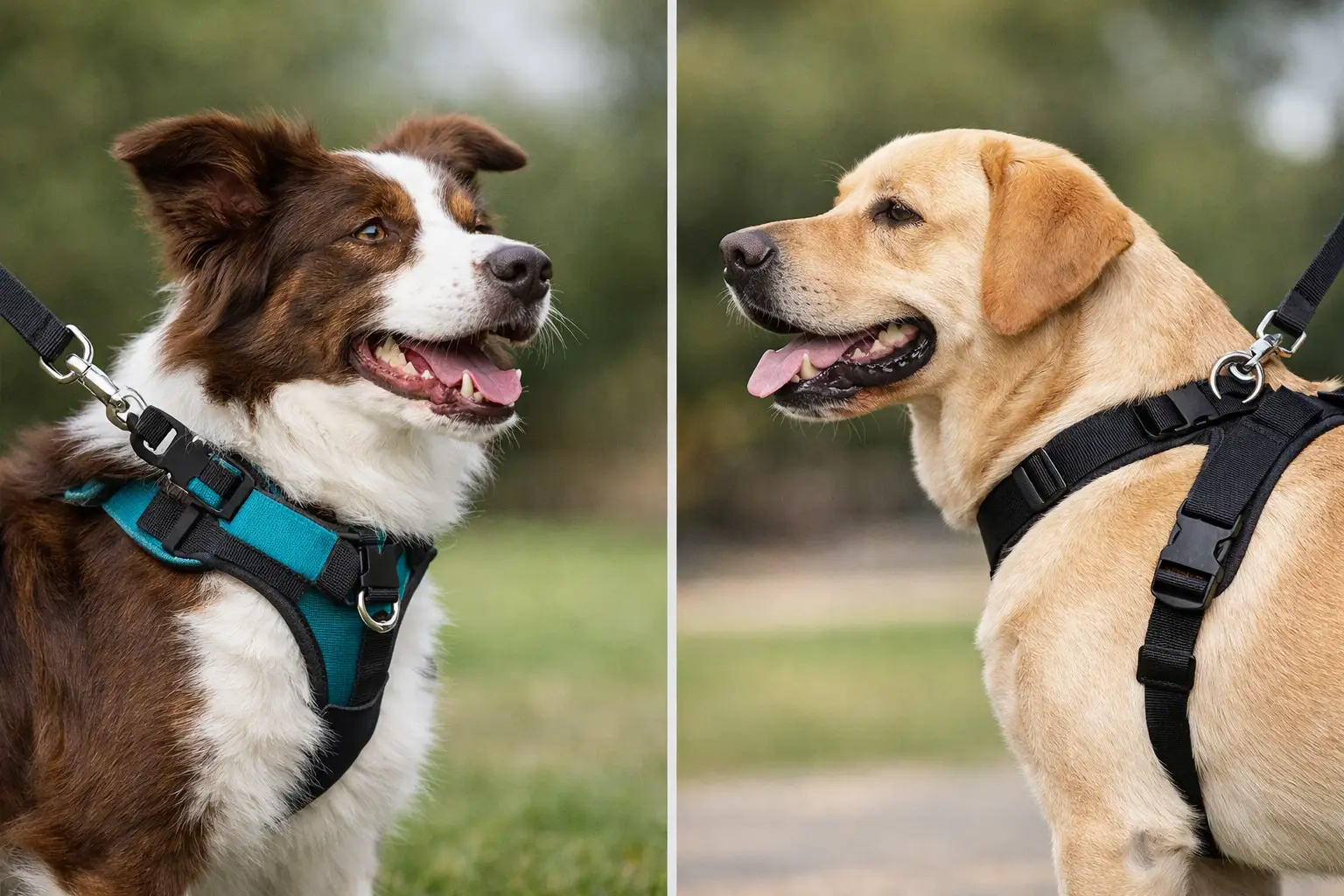
The difference between a calm, comfortable walk and a frustrating tug-of-war often comes down to one simple choice: front clip vs back clip harness. Both styles can be great pet-approved picks, but they solve different problems. If you are shopping for your dog’s daily walks, training sessions, or neighborhood adventures, knowing how each harness works makes it much easier to choose the right fit.
A front clip harness has the leash attachment at the center of your dog’s chest. A back clip harness has the attachment on the top of your dog’s back, usually between the shoulders. That small design difference changes how your dog moves, how much control you have, and how comfortable the walk feels for both of you.
With a front clip harness, when your dog pulls forward, the leash helps turn their body slightly back toward you. That is why many pet parents choose this style for leash training or for dogs that get excited and want to charge ahead. It gives you more steering control without putting pressure on the neck the way a collar can.
With a back clip harness, the leash stays behind your dog, which feels more natural for easygoing walkers. Many dogs find this style comfortable for everyday use, especially if they already walk politely on a leash. It is often a simple, low-fuss option for casual walks, potty breaks, and daily outings.
If your dog pulls, lunges, zigzags, or treats every walk like a race, a front clip harness is usually the better place to start. It is popular with puppies, newly adopted dogs, and energetic breeds that are still learning leash manners. Instead of rewarding forward pulling, the chest clip redirects momentum.
That does not mean it magically trains a dog on its own. You still need practice, consistency, and rewards for good walking behavior. But a front clip design can make training feel more manageable and less physically demanding.
This style also helps smaller adults, seniors, or anyone who wants more control over a strong dog. If you have ever felt like your dog was walking you instead of the other way around, a front clip harness can be a very practical upgrade.
There are a few trade-offs. Some dogs dislike the feeling of the leash crossing in front of their chest or legs, especially if the harness fit is off. In some designs, repeated pulling can create rubbing near the front legs. That is why fit matters just as much as clip position.
A back clip harness shines when your dog already walks pretty well and you want comfort, simplicity, and easy on-and-off wear. Many pet parents prefer it because the leash stays out of the way, making walks feel smoother and less tangled. For dogs that do not pull much, this can be the easiest everyday option.
It is also a common choice for smaller dogs, relaxed adult dogs, and pet parents who want a straightforward harness for regular neighborhood walks. If your dog is sensitive around the face or chest, a back clip style may feel less intrusive during wear.
Back clip harnesses are also handy for travel, quick errands, and comfort-focused use. If you are clipping on for a short walk, vet visit, or outdoor outing, the top attachment is simple and familiar.
The main downside is that a back clip harness can make pulling easier for some dogs. That is not a flaw in the harness itself. It is just basic body mechanics. When the leash attaches at the back, many dogs can lean into it with their full weight, almost like a sled dog. For a strong puller, that can make walks harder instead of easier.
For puppies, the right answer usually depends on temperament more than age alone. A calm puppy who is just learning the routine of leash walking may do fine in a back clip harness. An excitable puppy who bounces, pulls, and darts after every leaf may benefit more from a front clip style.
The key with puppies is comfort and adjustability. They grow quickly, so a harness that fits well today may not fit next month. Look for soft materials, enough adjustment points, and a shape that does not restrict shoulder movement.
Puppies also need positive introductions. Let them wear the harness briefly indoors, offer treats, and make it part of a happy routine. Even the best harness style will not feel great if your dog associates it with stress.
When shopping, it is easy to focus only on control, but comfort is what determines whether your dog will actually enjoy wearing the harness. A front clip harness that rubs under the legs is not a win. A back clip harness that shifts around or pinches is not a good everyday choice either.
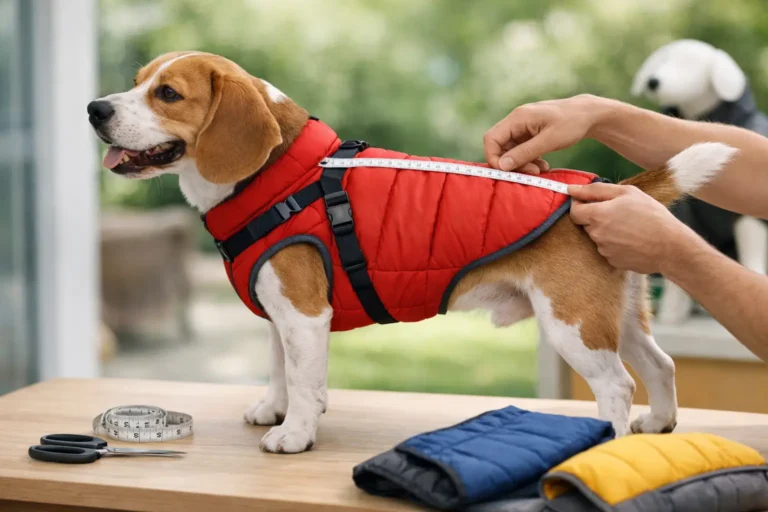
A well-fitted harness should sit securely without digging in. You should be able to fit two fingers under most straps. The harness should not slide side to side too much, and it should not press against the throat. Watch how your dog moves in it. If their stride looks short, awkward, or stiff, the fit or style may be wrong.
Material also matters. Breathable fabrics, padded straps, and sturdy hardware can make a big difference for daily wear. Since many pet parents want one easy shopping destination for walk gear, toys, travel items, and everyday essentials, choosing a harness that balances comfort and function can save time and second-guessing later.
The easiest way to decide between front clip vs back clip harness is to think about your real walks, not your ideal ones. If your dog pulls hard at the sight of squirrels, other dogs, or open space, start with a front clip harness. If your dog stays close, checks in often, and rarely hits the end of the leash, a back clip harness is often a comfortable match.
Think about your own preferences too. Some pet parents want maximum control during training. Others want a simple harness that goes on fast and works for everyday use. Neither goal is wrong. It just changes what will feel most helpful.
Breed and body shape can influence the decision as well. Deep-chested dogs, broad-shouldered dogs, and very small dogs may fit differently in different harness cuts. That is why sizing charts, strap adjustability, and overall design matter so much.
Yes, some harnesses include both front and back leash attachment points. For many households, that is a smart middle ground. You can use the front clip for training walks and switch to the back clip when your dog is calmer or when you want a more relaxed outing.
This kind of versatility is especially useful if your dog is still learning, if multiple family members walk the dog, or if your routine changes from day to day. A weekend trail walk may call for one setup, while a quick evening stroll may call for another.
If convenience is a priority, a dual-clip design can give you more flexibility without needing multiple harnesses. For pet parents browsing a broad mix of everyday accessories, that can be an easy and practical choice.
One common mistake is choosing a back clip harness for a heavy puller and expecting the problem to disappear. Another is buying a front clip harness but skipping fit checks, which can lead to twisting or rubbing. The clip position matters, but proper sizing, secure buckles, and a shape that matches your dog’s body matter just as much.
It also helps to keep expectations realistic. A harness supports better walks, but it does not replace training. Rewarding loose-leash behavior, keeping sessions short, and staying consistent will always make the biggest difference over time.
And if your dog suddenly resists wearing any harness, pauses during walks, or shows signs of discomfort, take a closer look. The issue may be fit, chafing, or a need for a different style.
If your dog pulls or you want more steering control, go with a front clip harness. If your dog already walks nicely and you want a simple, comfortable everyday option, a back clip harness is usually the better pick. If you want flexibility, a dual-clip design gives you room to adjust as your dog’s needs change.
At Doggodays.shop, pet parents often shop for gear that makes everyday care easier, not more complicated. That is exactly how harness shopping should feel. Choose the style that fits your dog’s walking habits right now, and you will be much closer to calmer walks, happier outings, and one less thing to overthink before heading out the door.









Leave a comment