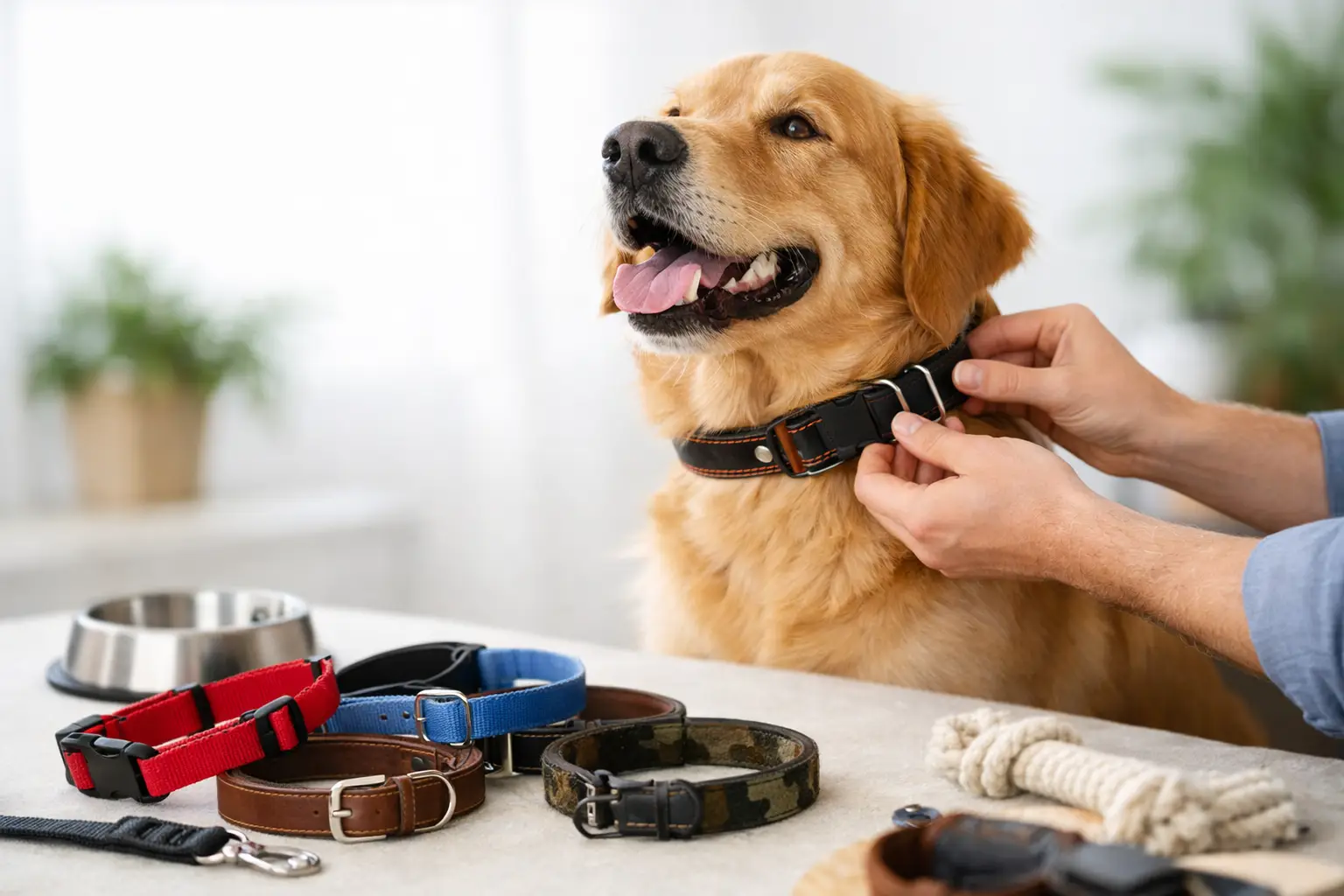
That moment when your dog backs out of a loose collar or spends the whole walk scratching at a stiff one is usually when pet parents realize collar shopping is not just about picking a cute color. If you are wondering how to choose dog collar styles that actually work for your pup, the best place to start is with comfort, fit, and daily routine – not looks alone.
A good collar should feel easy for your dog to wear and easy for you to use. It needs to stay secure without rubbing, pinching, or sliding off, and the right choice often depends on your dog’s size, coat, behavior, and activity level. A tiny indoor dog, a muddy trail buddy, and a strong puller may all need something different.
Before you compare materials or buckle types, think about how your dog actually spends the day. Some dogs wear a collar mainly for ID around the house and quick potty breaks. Others wear one for neighborhood walks, daycare, training classes, road trips, and plenty of outdoor action.
If your dog is calm, mostly indoors, and already walks well on leash, a standard flat collar is usually the simplest choice. It is practical, comfortable for everyday wear, and works well for tags. For many pet parents, this is the go-to option because it covers daily basics without overcomplicating things.
If your dog pulls hard, lunges, or is still learning leash manners, the collar question gets more nuanced. A regular collar may still be useful for ID tags, but it might not be the best main walking tool. In those cases, many owners use a collar for identification and a harness for walks. That setup often gives better control and reduces strain on the neck.
Water-loving dogs, frequent hikers, and dogs who get dirty fast usually do better with easy-clean materials. A soft fabric collar can be comfortable, but if it stays wet or traps odor, it may become annoying for both you and your dog. Convenience matters here, especially if you want everyday pet care to stay simple.
Fit is the part that matters most. Even the nicest collar will be a poor choice if it is too tight, too loose, too heavy, or too wide for your dog’s neck.
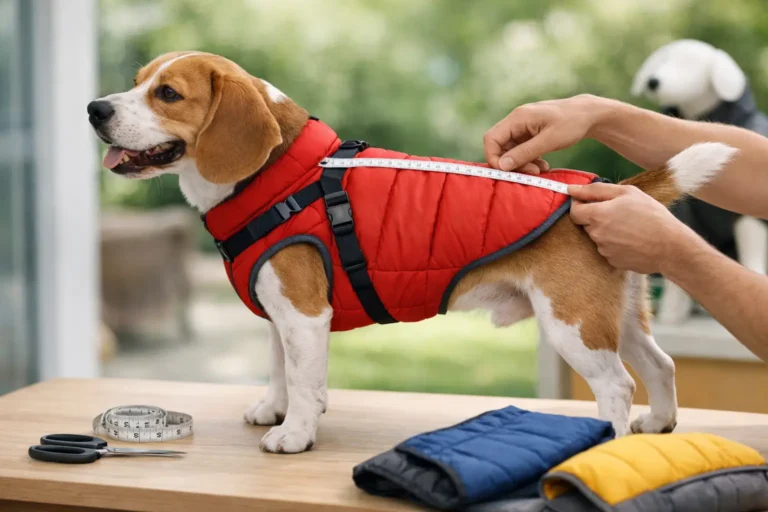
Measure your dog’s neck with a soft tape measure where the collar will sit. You want a fit that is snug but not restrictive. The usual rule is that you should be able to slip two fingers between the collar and your dog’s neck. That gives enough room for comfort while still helping keep the collar secure.
Puppies and fluffy breeds need a little extra attention here. Puppies grow fast, so a collar that fits perfectly today may not fit next month. Long-haired dogs can look like they have more neck width than they actually do, which can lead people to buy a collar that is too loose.
Width also matters. Smaller dogs usually need narrower, lighter collars that do not feel bulky. Larger dogs often benefit from a wider collar that distributes pressure more comfortably. A very wide collar on a tiny dog can feel awkward, while a thin collar on a large, strong dog may not offer enough support or durability.
Material affects comfort, appearance, cleanup, and wear over time. This is where personal preference comes in, but your dog’s habits should guide the final choice.
Nylon is popular because it is lightweight, affordable, and available in many colors and patterns. It works well for everyday use and is often the easiest starting point for most pet parents. The trade-off is that lower-quality nylon can feel rough or fray with heavy use.
Polyester and similar synthetic blends can also be practical everyday options. They often hold color well and may feel softer, depending on the weave. If you want something straightforward and budget-friendly, these are often worth considering.
Leather collars have a classic look and can soften nicely over time, but they usually need a bit more care. They may not be the best pick for dogs who swim often or roll in every puddle they find. If your dog is mostly dry, calm, and not especially hard on gear, leather can be a durable and attractive option.
Waterproof materials, including coated webbing styles, are great for active dogs and easier cleanup. Mud, rain, and slobber wipe off fast, which can be a real plus if your dog’s favorite hobby is getting messy. The feel can be slightly firmer than soft fabric, so it helps to check that the finish is smooth and flexible enough for all-day wear.
When people ask how to choose dog collar products, they are often really asking which collar type makes the most sense. The answer depends on what the collar is supposed to do.
Flat collars are the standard everyday option for most dogs. They are designed to hold ID tags and work well for routine wear. For dogs with good leash manners, they can also be fine for walks.
This is usually the easiest choice for pet parents who want something simple, comfortable, and versatile. If you only buy one collar, this is often the category to start with.
Martingale collars tighten slightly when tension is applied, which helps prevent dogs from backing out. They are commonly used for breeds with narrow heads, like Greyhounds and Whippets, but they can also help with other escape artists.
The key is proper fit. A martingale should tighten enough to prevent slipping, not so much that it becomes harsh. For many dogs, it offers a nice middle ground between security and comfort.
Breakaway collars are designed to release under pressure. They can be useful in specific situations, especially for dogs who wear collars around the house and may catch them on something. The trade-off is obvious – a collar that releases for safety may also come off more easily if used in the wrong setting.
That means breakaway designs are not always ideal for leash walking unless they are specifically made for that purpose.
There are specialty collars marketed for training, including slip, prong, and electronic options. These are not casual everyday picks, and they are not the right choice for every dog or every owner. Used incorrectly, they can cause stress, discomfort, or injury.
For many households, a better path is to keep a comfortable everyday collar for tags and pair it with a well-fitted harness for training walks. If you are considering a more specialized training tool, it is smart to be careful and prioritize humane, well-informed use.
Small details make a big difference over time. A strong collar should have secure stitching, sturdy hardware, and a closure you can use quickly without fuss.
Plastic side-release buckles are convenient and common. They are easy to snap on and off, which many pet parents appreciate for daily use. Metal buckles may feel more secure and long-lasting, especially for larger or stronger dogs, but they can be slightly heavier.
The D-ring should feel solid and well attached. This is the part that holds tags and may connect to a leash, so it should not look flimsy or poorly stitched into the collar. If your dog is active or strong, this point matters even more.
A fun print or trendy color can absolutely be part of the decision. Half the fun of pet shopping is finding something that suits your dog’s personality. But style should come after function.
A cute collar that rubs the skin, traps moisture, or feels too heavy will not stay a favorite for long. The best collar is one your dog can wear comfortably while still matching your practical needs. Luckily, there are plenty of pet-approved picks that do both.
If you are shopping online, read product details carefully and compare measurements rather than guessing by size labels alone. Small, medium, and large can vary from one product to another. Stores with a broad selection, including everyday basics and lifestyle accessories, make it easier to match your dog’s needs without hopping from shop to shop.
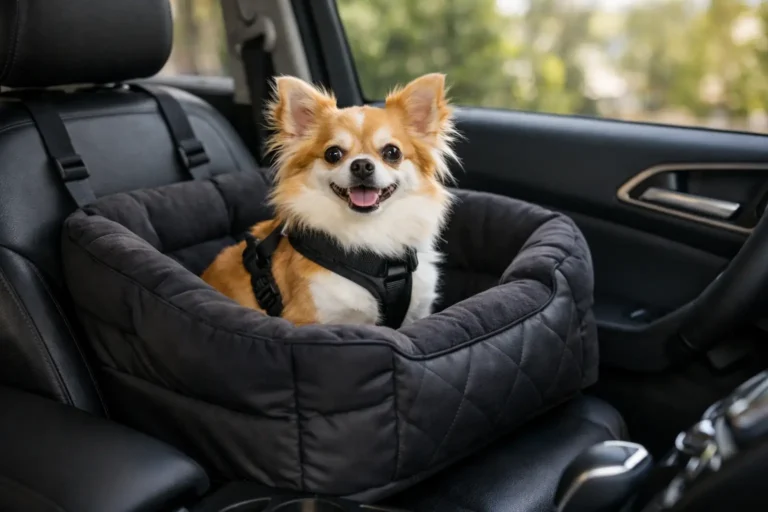
Sometimes the best answer is not a different collar, but a different setup. Dogs with neck sensitivity, breathing issues, strong pulling habits, or certain small breeds may do better walking in a harness instead of clipping the leash to a collar.
That does not make the collar unnecessary. Many dogs still need one for identification tags and quick handling. It just means the collar and the walking gear may have different jobs, and that is completely normal.
A well-chosen dog collar should make everyday life feel easier, not more complicated. If it fits well, suits your dog’s habits, and feels comfortable from morning to bedtime, you are probably on the right track – and your dog will make that pretty clear.








Leave a comment