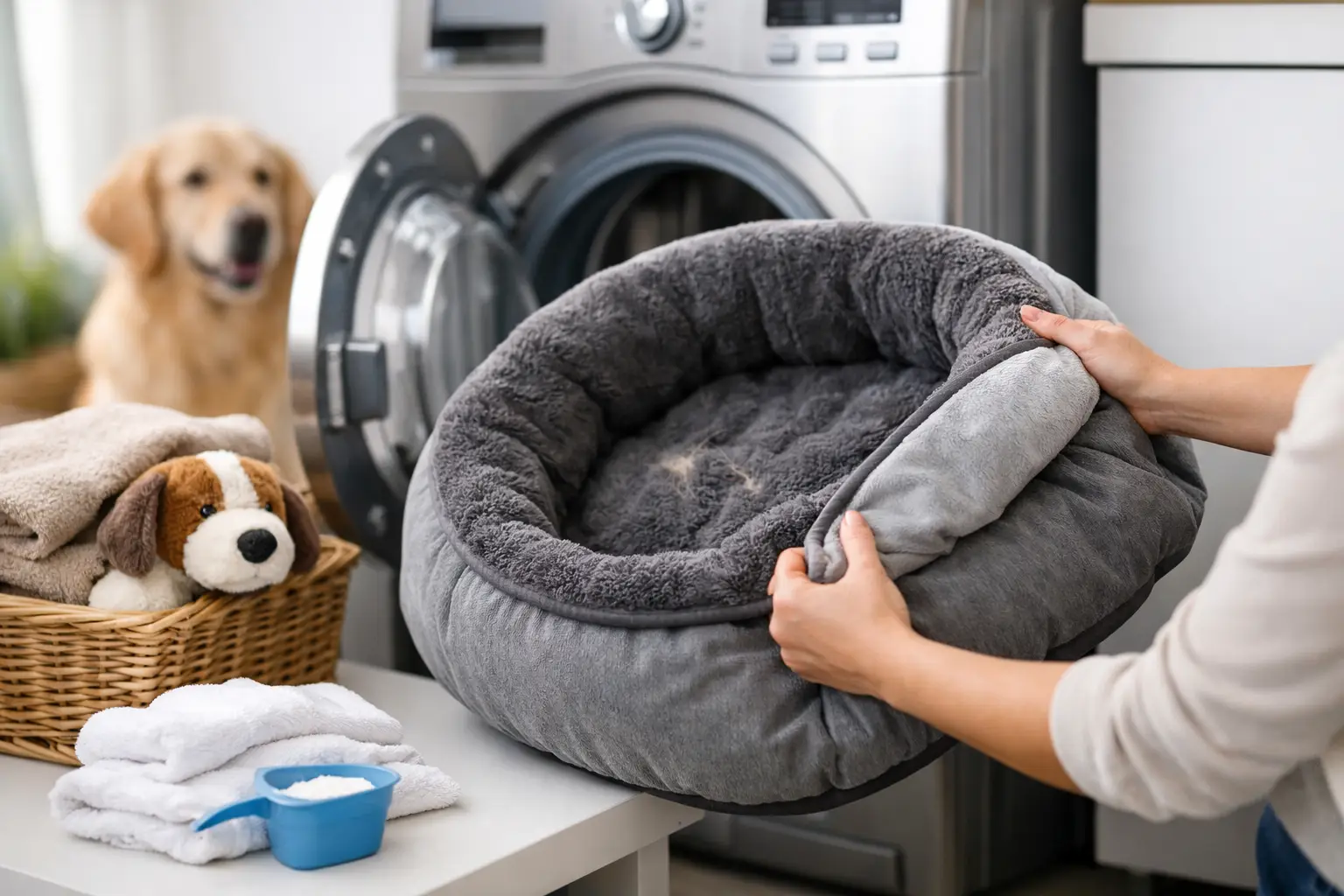
That pet bed in the corner might look cozy, but it also collects fur, dander, dirt, drool, and the occasional mystery smell. If you’ve been wondering how to wash pet bed materials without ruining the shape, stuffing, or cover, the good news is that most beds clean up well with the right approach. A little care goes a long way toward keeping your pet’s favorite spot fresher, softer, and a lot more pleasant for the whole house.
The first step is checking the care label, if the bed still has one. Some pet beds are fully machine washable, while others have removable covers only, and some need spot cleaning or hand washing. That small tag matters because a bed that handles a cold, gentle cycle just fine might shrink, clump, or tear in hot water or high heat.
If the label is missing, look at how the bed is built. Beds with zip-off covers are usually the easiest to clean. Beds with foam inserts often need the cover washed separately while the foam gets hand cleaned. Plush or overstuffed beds can usually go in the washer if they fit comfortably, but packed-in washing can leave detergent trapped inside and make drying take forever.
Before any washing starts, remove loose debris. Shake the bed outside, vacuum it well, or use a lint roller to pull off fur. This sounds basic, but it helps more than people expect. Less hair in the fabric means a better wash and less mess left behind in your machine.
If the bed has visible stains, deal with those first. Mud, drool, urine, and greasy spots tend to set deeper during the wash if they are ignored. A small amount of pet-safe laundry detergent worked gently into the fabric is usually enough for everyday stains. Let it sit for 10 to 15 minutes before washing.
For tougher odor spots, especially accidents, it helps to blot first instead of scrubbing hard. Scrubbing can push the mess deeper into the padding. If the stain has already dried, dampen it lightly before pretreating. The goal is to loosen the residue without soaking the whole bed too early.
If the full bed is machine washable, use a mild detergent and choose a gentle or delicate cycle. Cold or warm water is usually the safest bet. Hot water can be useful for sanitation in some cases, but it is harder on fabrics, seams, waterproof linings, and filling. For many everyday washes, gentle beats aggressive.
It also helps to wash the bed by itself or with a couple of old towels. That balances the load and reduces banging around in the drum. If the bed has a removable cover, zip it closed before washing so the fabric keeps its shape better and the zipper doesn’t snag.
Skip heavy fragrance boosters if your pet is sensitive to smells. A bed that smells fresh to you can be overwhelming to a dog or cat with a much stronger nose. The same goes for harsh cleaners and bleach. They may seem like the fast track to clean, but they can irritate skin and leave behind a scent your pet avoids.
It depends on the bed and the mess. Baking soda is helpful before washing if the bed smells stale. Sprinkle a light layer on dry fabric, let it sit for 15 to 30 minutes, then vacuum it off. That can cut down on odor before the wash even begins.
Vinegar is often used in laundry for odors, but you need to be careful. It can help in small amounts during a rinse cycle, especially for sour or musty smells, but it should never be mixed casually with other cleaning products. If you already use detergent and the bed’s care instructions are unclear, sticking with a simple pet-safe detergent is usually the easier choice.
Some beds are too large for a standard washer, and some are just too delicate. In that case, hand washing is the safer route. Fill a tub or large basin with lukewarm water and a small amount of mild detergent. Press the bed into the water so the fabric and filling get wet, then gently squeeze the suds through the material.
Try not to twist or wring the bed, especially if it has foam or fluffy stuffing. That can distort the shape and leave lumps. Instead, press out the dirty water, refill with clean water, and rinse until the soap is gone. This part takes patience because leftover detergent in thick padding can dry stiff and attract more dirt later.
Foam inserts deserve extra care. Many should not go in the washing machine at all. Spot clean surface stains, then hand wash lightly if needed. Rinse thoroughly and press with towels to remove as much water as possible.
A pet bed that feels dry on the outside can still be damp inside. That trapped moisture is what leads to mildew smells, flattened filling, and that unpleasant damp-dog-bed problem a day later. Drying thoroughly is just as important as washing well.
If the care label allows machine drying, use low heat. High heat can shrink covers and damage stuffing. Tossing in a couple of clean dry towels can help absorb moisture and speed things up. For bulky beds, you may need more than one cycle.
Air drying is often the safest choice, especially for foam or thick beds. Set the bed in a warm, well-ventilated spot and rotate it a few times so all sides dry evenly. Outdoor drying can work well on a sunny day, but avoid leaving it in direct blazing sun for too long if the fabric seems delicate or dark-colored.
Press into the center with both hands. If it feels cool, dense, or slightly damp, keep drying. Pay extra attention to seams, corners, bolsters, and the middle of padded inserts. Those spots hold water the longest.
It is better to wait an extra few hours than put a damp bed back on the floor. Your pet may lie on it right away, and that can lock in moisture and odor again fast.
For most homes, every one to two weeks is a good routine for the cover or the whole bed if it’s washable. If your dog sheds a lot, tracks in dirt, has allergies, or sleeps outside and inside, weekly cleaning may make more sense. Cats, smaller indoor pets, and cleaner sleepers can sometimes go a bit longer.
There is a trade-off, though. Very frequent washing can wear out fabric faster, especially on budget beds or extra-plush styles. One easy middle ground is doing quick upkeep between washes. Vacuuming, lint rolling, and washing removable covers more often than the insert can keep the bed in better shape.
If a bed still smells after washing, the issue is usually one of two things: the odor didn’t fully rinse out, or the bed didn’t fully dry. Rewash with a small amount of detergent, rinse thoroughly, and dry longer than you think necessary.
For repeat accidents, it’s worth asking whether the bed’s filling has absorbed more than surface cleaning can remove. At some point, heavily soiled padding may not bounce back. In that case, replacing the insert or the full bed can be the more practical option.
This is also where removable covers really earn their keep. They make cleanup faster and help extend the life of the bed, since the inner cushion doesn’t need a full wash every single time.
Putting a small blanket or washable liner over the bed can save a lot of effort, especially during muddy weather or shedding season. Regular brushing helps too, because less loose fur ends up woven into the fabric. If your pet comes in wet or dirty, drying paws and coat before bed time makes a big difference.
And if you’re shopping for a new bed, convenience matters. A cute bed is nice, but a machine-washable cover, durable stitching, and quick-dry materials can make everyday care much easier. For busy pet parents, those details often matter more than they seem at checkout.
Clean bedding is one of those small care routines that makes your home feel better and helps your pet stay comfortable. Once you know how your bed is made and what kind of wash it can handle, the job gets a lot simpler – and your furry roommate gets a fresher place to curl up tonight.









Leave a comment