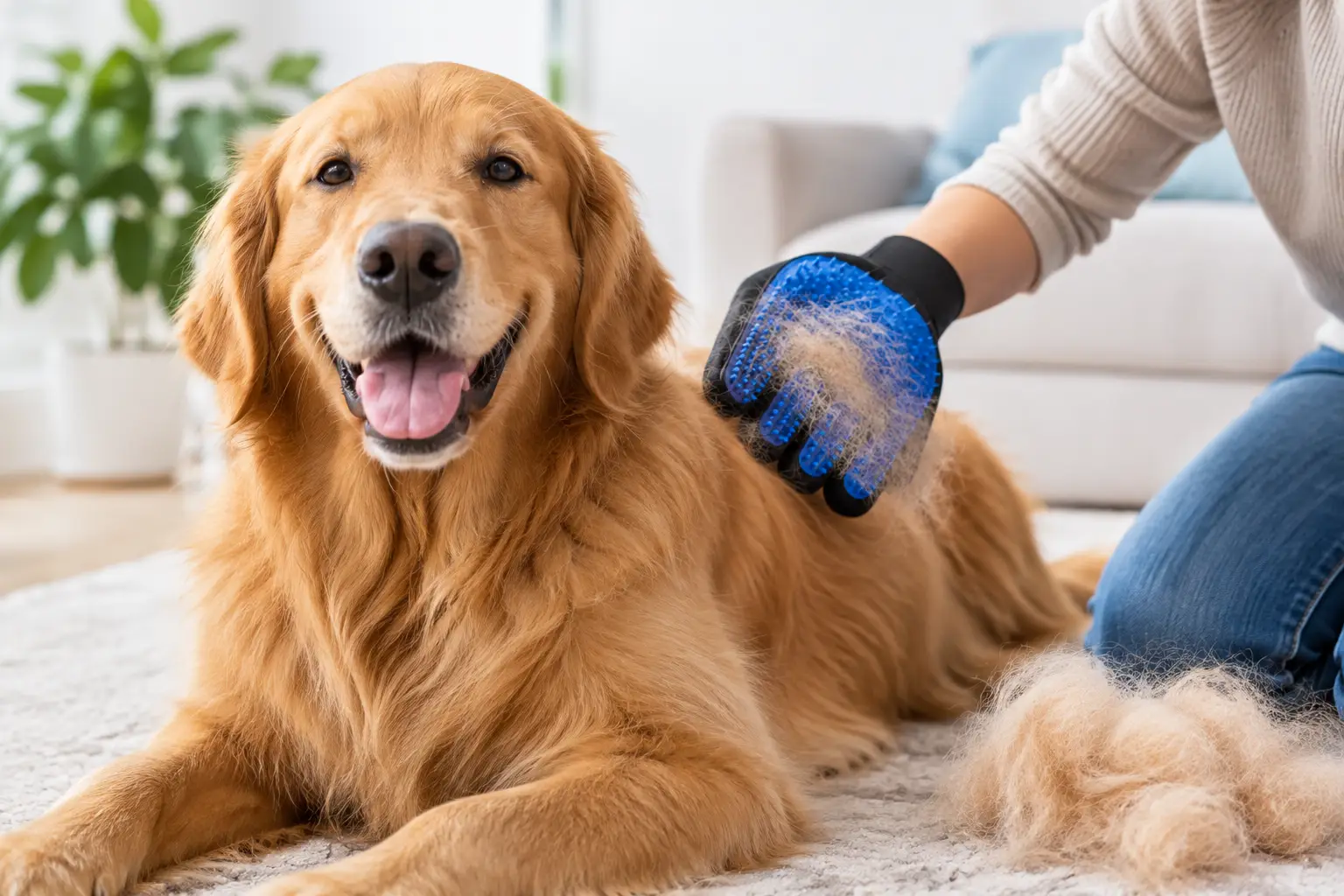
A sofa covered in fur, a black shirt that never stays black, tumbleweeds gathering under the table – shedding season can make even a well-loved pet feel like a full-time cleaning project. Pet grooming gloves offer a simple way to catch loose hair while giving your dog or cat the kind of hands-on attention they already enjoy. For many pets, they feel less like a brush and more like a relaxing scratch behind the ears.
They are not a magic answer for every coat or every grooming need. A thick double-coated dog may still need a dedicated undercoat tool, while a curly-coated pet needs a comb that reaches closer to the skin. But for everyday fur removal, bonding time, and quick touch-ups between baths, grooming gloves can earn a useful place in the home pet-care routine.
Most pet grooming gloves are flexible gloves with soft rubber or silicone nubs across the palm and fingers. As you stroke your pet in the direction of hair growth, those nubs lift loose fur, light dirt, and surface dander from the coat. The collected hair often forms a small mat on the glove that can be peeled off and tossed in the trash.
The biggest benefit is familiarity. Some pets dislike the sound, shape, or firm pull of a traditional brush. A glove lets you use a natural petting motion, which can make grooming feel much less intimidating. It is especially handy for pets that wiggle away when they see a brush but lean into a gentle hand rub.
Gloves are also useful for reaching places that can be awkward with a standard grooming tool. You can gently work around the chest, legs, shoulders, and the base of the tail with more control. That said, gentle is the key word. A glove should never be used to scrub at tangles, irritated skin, or sensitive areas.
The best pair depends on your pet’s coat, comfort level, and your own routine. You do not need the most complicated option. Look for a glove that fits securely, feels comfortable on your hand, and has nubs that match the job you need it to do.
Short-haired dogs and cats are often the easiest match for grooming gloves. The nubs can gather the loose topcoat efficiently, and regular use may help reduce the amount of fur left on bedding and furniture. Pets with sleek coats usually benefit from short, gentle sessions a few times a week.
Medium and long coats can benefit too, particularly for removing loose fur from the surface and making daily grooming more enjoyable. However, a glove will not reliably remove deep undercoat or detangle knots. For a fluffy retriever, husky, Maine Coon, or similar heavy shedder, use the glove as a finishing tool or for low-pressure daily maintenance alongside the right brush or comb.
Curly, wiry, or tightly textured coats need a little more care. A grooming glove can be pleasant for light petting and surface cleanup, but it may not reach through dense curls. Avoid repeated rubbing in circles, which can contribute to tangling. Instead, use smooth strokes in the direction the coat grows.
A loose glove can slide around while you groom, reducing control and making some pets uneasy. Adjustable wrist straps are helpful, particularly if more than one person in the household will use it. A snug but comfortable fit lets your fingers move naturally around smaller areas.
Soft silicone or rubber nubs tend to be the most pet-friendly choice for routine grooming. They should feel flexible rather than sharp or stiff. Longer nubs may capture more hair from a thicker coat, while shorter nubs can be a comfortable choice for short fur and sensitive pets.
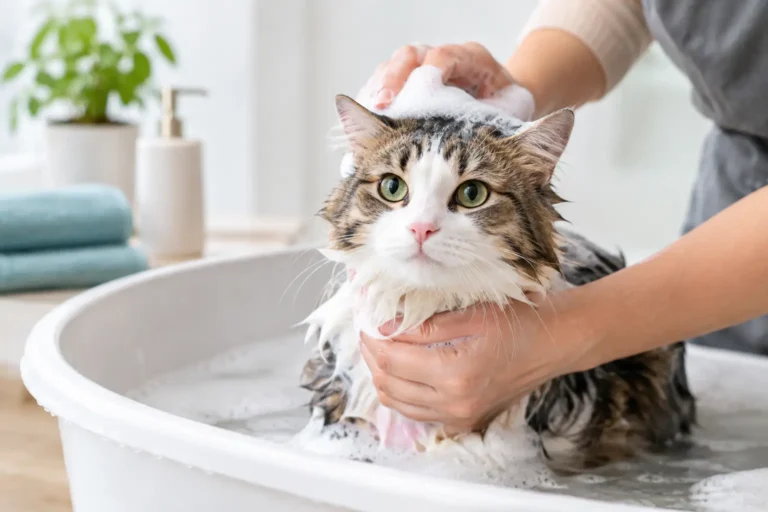
Breathable fabric backs can make longer sessions more comfortable for the person wearing the glove. Waterproof gloves are useful during bath time, but remember that wet fur can hide tangles and skin concerns. Bathing gloves are best for gently working shampoo through the coat, not for aggressive scrubbing.
A single glove works well for quick grooming and for pets who prefer one hand resting on them while the other does the brushing. A pair can speed up a full-body session on a larger dog and makes it easier to groom both sides evenly. There is no wrong choice here. For nervous pets, starting with one gloved hand can feel calmer and more manageable.
Introduce the glove before you start grooming. Let your pet sniff it, then offer a calm pat or a favorite treat. If your dog or cat seems relaxed, begin with the spots they already enjoy being touched, such as the shoulders, back, or cheeks. Keep the first few sessions short enough that your pet stays comfortable.
Use slow strokes in the direction of hair growth. Light pressure is usually enough to lift loose fur. Pressing harder does not make the glove work better, and it can feel unpleasant on bony areas such as the hips, spine, and legs. Watch your pet’s body language as you go. A relaxed posture, soft eyes, and leaning into your hand are good signs. Pulling away, flattened ears, tail tucking, or repeated licking may mean it is time to pause.
Remove hair from the glove as it builds up. Trying to groom with a palm packed with fur makes the nubs less effective and can transfer hair back onto the coat. After the session, rinse the glove if the care label allows, remove any remaining hair, and let it dry fully before storing it.
For many pets, five to ten minutes is plenty. A short routine done consistently is usually more effective than a long session once in a while. You can turn it into an easy habit after a walk, before settling down for the evening, or when your cat hops up beside you on the couch.
Grooming gloves shine when you need a low-fuss tool for everyday care. They are great for freshening up a pet before visitors arrive, pulling loose hair from a short-haired cat, or getting your dog comfortable with being handled. They can also make a nice addition to bath day, helping distribute pet-safe shampoo over the body while avoiding the face, eyes, and inside of the ears.
They are less effective when the problem is matting, packed undercoat, fleas, skin inflammation, or heavy seasonal shedding in a dense coat. Mats should be handled carefully with the correct detangling tool or by a professional groomer, especially when they sit close to the skin. If you notice redness, sores, flaky patches, an unusual odor, or sudden changes in shedding, skip the grooming session and check with your veterinarian.
It also helps to keep expectations realistic. Grooming can reduce the loose fur that ends up around your home, but healthy pets still shed. The goal is not a completely hair-free house. It is a cleaner, more comfortable routine that gives you a chance to check in on your pet’s coat and skin regularly.
A good grooming glove is easy to grab, simple to clean, and gentle enough that your pet does not treat it like a dreaded chore. Pair it with regular vacuuming, washable pet bedding, and the right coat-specific tools when needed. This combination is far more practical than relying on one product to do every job.
For multi-pet homes, consider keeping grooming supplies together in one easy-to-reach spot. That makes it easier to give the dog a quick once-over after outdoor play or collect loose fur from the cat before it reaches the guest-room blanket. Convenient, pet-approved essentials are exactly the kind of everyday finds that can make care feel less complicated.
The best grooming routine is the one your pet will tolerate happily and you can keep up with. Start slowly, keep your touch gentle, and let those few quiet minutes of brushing become another small way to show your pet they are right at home.







Leave a comment