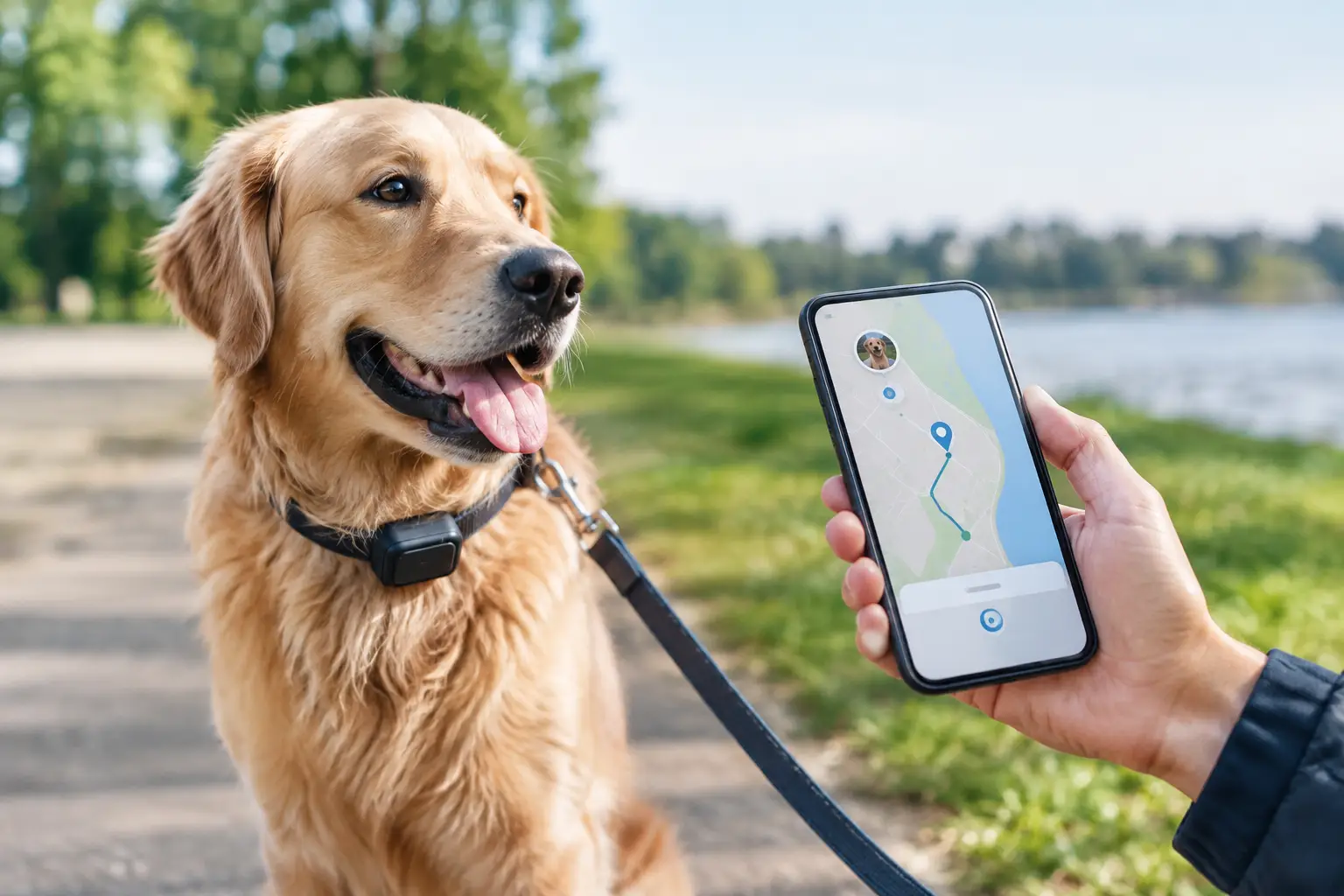
A loose collar clasp, an open gate, or one exciting squirrel can turn an ordinary walk into a stressful search. A GPS tracker will not replace a secure collar, leash training, or ID tags, but it can give pet parents a practical extra layer of reassurance when a dog slips out of sight. This pet GPS tracker review breaks down what matters most before you add one to your pet’s everyday gear.
The best choice is rarely the tracker with the longest feature list. It is the one your pet can wear comfortably, that works where you actually spend time, and that you will remember to keep charged. For many households, a simple, dependable setup beats a complicated device that stays in a drawer.
A true GPS tracker uses satellite location data to estimate where your pet is. Most consumer trackers then send that location to an app through cellular service. When your dog gets beyond your immediate view, you can open the app and see their most recently reported position, often with live-tracking options when needed.
That distinction matters because not every small collar device is GPS. Bluetooth trackers are useful for finding a pet nearby, such as behind a couch, in a yard, or around a familiar neighborhood. Their range is much shorter, and they usually rely on nearby phones or a shared device network. Radio-frequency trackers can work without cellular service, but they require a handheld receiver and are designed for directional searching rather than map-based tracking.
GPS is usually the better fit for dogs that hike, travel, roam large properties, or have a history of slipping through a door. But GPS trackers depend on a combination of satellite visibility, cellular coverage, and battery power. A device cannot deliver a helpful location update if it has no signal or a dead battery.
Shopping becomes much easier when you focus on daily use instead of flashy claims. Start with the basics: coverage, fit, battery life, and ongoing cost. Then look at extras that match your pet’s routine.
Before buying, check whether the tracker supports the cellular network in your area and throughout the places you travel. A tracker may work beautifully around town but struggle in a remote campground, deep wooded trail, or rural area with weak cell service. No collar device can guarantee perfect updates everywhere.
For city and suburban pet parents, cellular coverage and app reliability are often the biggest concerns. For frequent hikers or rural households, consider whether a radio-frequency option makes a useful backup for close-range searches. The right answer depends on your usual environment, not just the product’s advertised range.
A tracker should sit securely on the collar without swinging, rubbing, or making your pet uncomfortable. Large dogs can often carry a wider range of devices, while toy breeds, puppies, and cats need especially lightweight options. Check the manufacturer’s stated pet-size guidance, but use your own judgment too. A small dog with a delicate neck may need something lighter than the listed maximum allows.
Look closely at how the tracker attaches. A flexible collar clip may be convenient, while a sturdier mount can be better for a dog that runs, rolls, swims, or plays hard with other dogs. The collar itself should still fit correctly: snug enough that it will not slide over the head, with room for two fingers underneath.
If your pet wears a harness on walks, remember that a collar tracker can still be useful at home or during travel. Just make sure the collar stays on when it matters. A GPS device attached to a collar left on a hook cannot help locate a runaway pet.
Battery estimates can sound impressive, but real-world performance changes with activity, signal strength, temperature, and how often the tracker updates. Live tracking generally uses more power than normal location checks. A device that lasts several days in a quiet home may need charging much sooner during an active weekend away.
Choose a charging routine you can keep. Some pet parents place the tracker on its charger each evening while their dog sleeps. Others prefer a longer-lasting battery that only needs attention every week or two. Either can work, as long as the tracker is back on the collar before a walk, road trip, or backyard playtime.
A low-battery notification is a helpful feature, but it is not a substitute for checking. Make a quick glance at the app part of your regular pet-care routine, right alongside food, water, and leash checks.
Most GPS trackers offer a version of a safe zone, sometimes called a virtual fence. You set a boundary around your home, sitter’s house, or another familiar place, and the app alerts you if your pet leaves it. This can be especially reassuring for dogs that spend time in fenced yards.
Still, allow for a little flexibility. GPS locations are estimates, not a pin placed with perfect precision. A boundary set too tightly may create false alerts when your dog is standing near the edge of the yard. A larger safe zone may be more practical, particularly in areas with tall buildings or heavy tree cover.
Update frequency is another trade-off. Faster location refreshes can make a search feel more immediate, but they typically use more battery. For everyday monitoring, standard updates may be enough. If your pet goes missing, a live mode with more frequent updates becomes much more valuable.
Many GPS trackers require a monthly or annual subscription because they use cellular networks and cloud-based app services. The upfront tracker price is only part of the cost. Before checking out, look at the plan options, whether the plan is required, and what features are included at each level.
A subscription can be worthwhile if it provides dependable tracking, location history, and useful notifications. But it should fit your household budget comfortably. If you are buying trackers for more than one pet, calculate the ongoing cost for every collar, not just the first device.
Also check whether the tracker has a warranty, what happens if it is lost, and whether a replacement charger or attachment is easy to find. Everyday pet gear gets wet, muddy, chewed, and misplaced. Practical support matters.
Think about the moments when you would most want to find your pet. For a dog who bolts after wildlife, a secure, durable tracker with quick location updates may be the priority. For a relaxed neighborhood dog, a lighter device with reliable safe-zone alerts and simple charging may make more sense.
Traveling pets have different needs. If your dog joins family road trips, look for coverage along your routes and a tracker that stays secure during car rides, rest stops, and hotel arrivals. A current ID tag and microchip information are still essential. A tracker tells you where to look; an ID tag and microchip help someone return your pet if they are found.
For cats, be cautious with size and breakaway collar safety. A heavy tracker can be uncomfortable, and a collar that does not release may create a snag risk for an outdoor cat. Indoor cats may benefit more from a lightweight nearby-finding option than a full cellular GPS device. Every pet’s behavior and environment deserve their own decision.
Do not wait for an emergency to learn the app. Charge the tracker fully, connect it to your phone, confirm the subscription if one is needed, and test it during a normal walk. Watch how quickly it updates in your neighborhood and where the accuracy seems less reliable.
Create your home safe zone, turn on alerts, and make sure more than one trusted household member knows how to access the tracker if possible. If your pet spends time with a sitter, walker, or family member, explain what the device is and ask them not to remove it unless necessary.
A GPS tracker works best as part of a simple safety kit: a properly fitted collar, a readable ID tag, current microchip registration, and careful door and gate habits. Doggodays.shop makes it easy to pair those everyday essentials with the accessories that help pets head out comfortably and come home safely.
The right tracker is the one that fits your pet’s life without becoming another chore. Pick a comfortable device, test it close to home, keep it charged, and enjoy the extra confidence that comes with being prepared for the unexpected.










Leave a comment