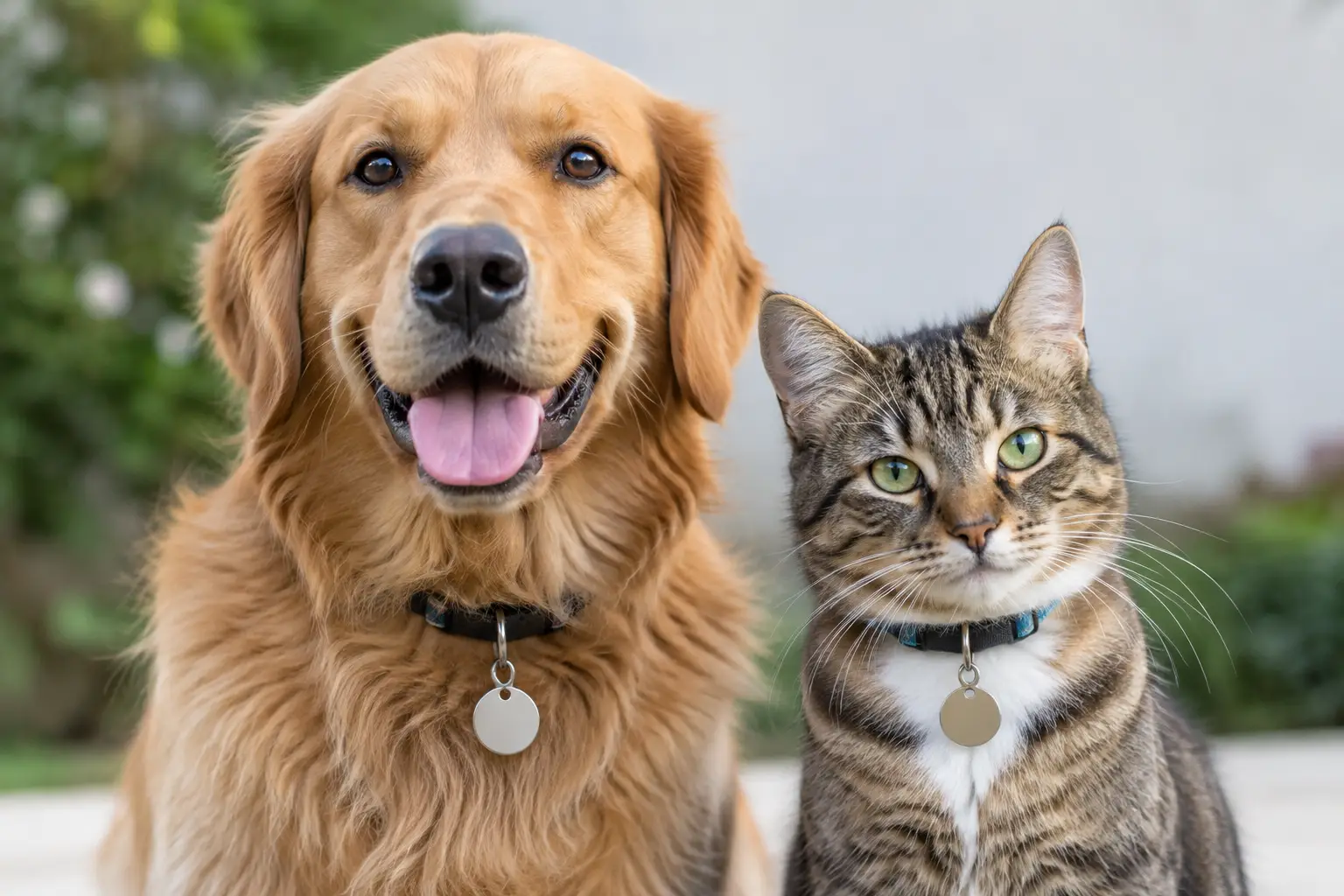
A loose leash clip, a gate left open, or a startled pet slipping out the front door can turn an ordinary day into a stressful one fast. Pet ID tags give anyone who finds your dog or cat a simple, immediate way to contact you. They are small everyday accessories, but the right tag can make a big difference when your pet needs help getting home.
A tag should be easy to read, comfortable to wear, and secure enough to stay attached through walks, playtime, naps, and car rides. The best choice is not always the biggest, shiniest, or most decorative option. It is the one that fits your pet and keeps the essential details clear.
Start with the information that helps a good neighbor, delivery driver, or local animal control officer reach you quickly. Your pet’s name is often useful, especially for friendly animals who may respond when called. The most important detail, though, is a current phone number with an area code.
If the tag has room, add a second phone number. This can be another household member, a trusted friend, or a family member who is likely to answer if you are at work, traveling, or in a place with poor reception. A city and state can also help when pets are away from home on a trip.
Keep the message short enough to remain readable. A crowded tag may technically hold more details, but tiny lettering is hard to read when someone is standing on a sidewalk trying to help a nervous pet. For most households, a pet name and one or two phone numbers are the practical sweet spot.
Some pet parents add a brief note such as “I’m microchipped,” “Needs medication,” or “Reward.” These can be helpful in the right situation, but only if the lettering remains clear. Avoid putting a full home address on a tag if you prefer to keep that information private. A phone number is usually enough to start the reunion.
Material affects more than appearance. It influences how clearly the engraving holds up, how much the tag weighs, and whether it can handle your pet’s routine.
Stainless steel is a popular everyday choice because it is durable, resists rust, and works well for dogs that spend time outdoors. It is a smart pick for active pets, frequent walkers, and pups who love puddles, beaches, or backyard play. Aluminum is lightweight and comes in plenty of cheerful colors, which can be especially nice for smaller dogs and cats. The trade-off is that it can scratch or bend more easily over time.
Brass offers a classic warm look and can be sturdy, although it may develop a darker patina with wear. Silicone tags are quiet and flexible, making them a good option for pets bothered by jingling. They can be particularly appealing for nighttime sleepers and sensitive cats. However, softer materials may not show engraved details as sharply as metal after lots of use.
For every material, look closely at how the information is applied. Deep engraving generally lasts longer than surface printing. If your pet runs, swims, wrestles with other dogs, or spends plenty of time outdoors, durability deserves extra attention.
A large round tag may be easy to read, but it can feel oversized on a small cat or a tiny puppy. On the other hand, a very small tag can limit the size of the engraving. Choose a size that sits comfortably against the collar without hanging so low that it catches on bowls, crates, or furniture.
Simple shapes such as circles, bones, hearts, and rectangles are easy to find and easy to read. Fun designs add personality, but make sure the engraving area is still generous enough for your contact details. A tag can be cute and practical at the same time.
A strong tag is only useful if it remains on the collar. Many lost tags are not damaged – they simply slipped off a weak or bent ring. Check the attachment hardware as carefully as you check the tag itself.
Split rings are common and easy to use, but they can gradually open after repeated pulling. For active dogs, a sturdier connector or quick-release attachment may offer more security and make it easier to move the tag between collars or harnesses. Whatever style you use, test it with a gentle tug before heading out.
Place the tag on a properly fitted collar. You should be able to slide two fingers under the collar comfortably, but it should not be loose enough to slide over your pet’s head. Cats should wear a breakaway collar designed to release if it gets snagged. That safety feature matters, even though it means the collar and tag can come off if your cat gets caught on something.
It is also worth considering a collar slide-on tag for dogs who tend to lose dangling tags. These tags sit flat against the collar and do not jingle. They can be a convenient option for pets that are rough on accessories, though the collar width needs to match the tag for a secure fit.
A microchip is valuable backup, but it does not replace a visible ID tag. A person who finds your pet can call the number on a tag right away. A microchip requires a scanner and usually means a trip to a veterinary office or shelter first.
Using both provides two layers of identification. Keep your microchip registration current whenever you change phone numbers, move, or transfer ownership. Then check that your pet’s tag shows the same reliable contact information. A tag with an old number can delay a reunion just as much as having no tag at all.
For travel, boarding, or a move to a new area, take a minute to review every ID detail before you go. It is an easy task to postpone, but it is much easier to update a tag at home than to wish it had been done after a pet goes missing.
Tags are not a buy-once-and-forget item. Check your pet’s tag whenever you wash bedding, groom them, replace a collar, or notice the hardware jingling more than usual. If the lettering is fading, the ring is stretched, or the tag is dented enough to be hard to read, it is time for a replacement.
You should also replace it after any phone number change, move, or major medical update that belongs on the tag. Puppies may need a larger tag as they grow, while senior pets may benefit from a quieter, lighter option that feels more comfortable on an aging neck.
At Doggodays.shop, pet parents can shop everyday collars, harnesses, travel gear, and pet-approved accessories in one convenient place. Choosing a tag that suits your pet’s routine is a simple finishing touch that helps make those daily essentials work even harder.
Your pet’s ID tag does not need a long message or a fancy design to do its job. It just needs to be readable, current, secure, and comfortable enough to wear every day. Take a quick look at your pet’s collar today – that little tag could be one of the most reassuring items they wear.









Leave a comment