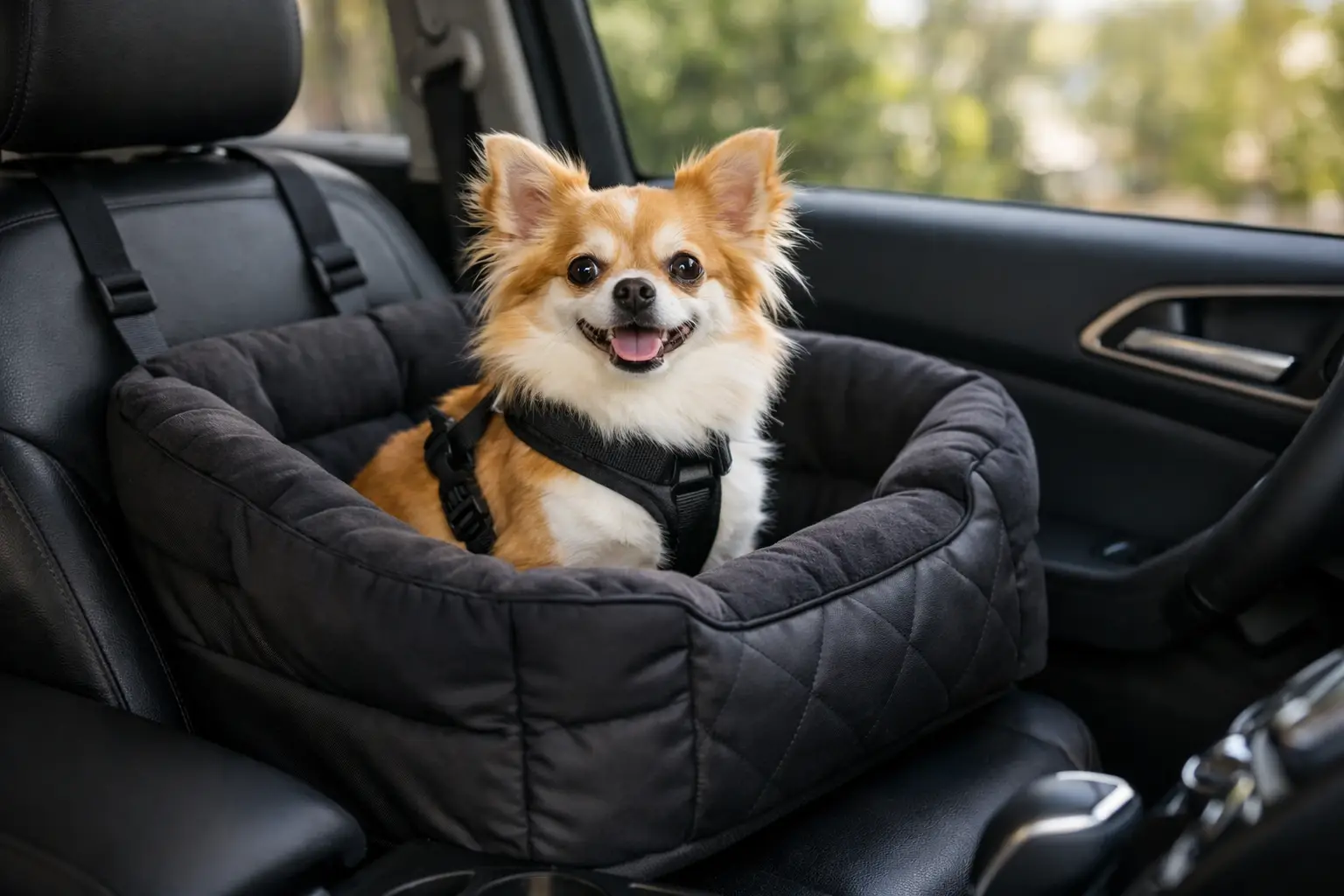
A loose dog climbing into your lap at a red light can turn a quick errand into a stressful ride. The right travel setup gives your pup a cozy place to settle while helping you stay focused on the road. In this dog car seat review, we look at the features that matter most when choosing a seat for everyday drives, weekend visits, and longer road trips.
A dog car seat can be a great comfort accessory, especially for small dogs that want a better view or feel uneasy on a vehicle seat. But the best choice is not always the fluffiest one or the one with the tallest sides. Size, attachment method, cleaning needs, and your dog’s travel habits all deserve a close look before you add one to your cart.
Most dog car seats are raised, padded spaces that attach to a vehicle seat or headrest. They give small dogs a defined spot to ride, rather than letting them slide across the backseat or curl up on the floor. Many include a short interior tether that clips to a harness, plus padded walls that help create a den-like feel.
For a puppy who gets restless in the car, a familiar seat can make rides feel more predictable. For an older dog, a cushioned base may be easier on joints than a firm vehicle seat. And for pet parents, it can help contain fur, crumbs, and muddy paw prints in one easier-to-clean area.
That said, a car seat is not automatically a crash-tested safety product. The interior tether should attach to a properly fitted harness, never a collar, but a tether alone does not make every seat suitable for collision protection. If crash protection is your top priority, check the manufacturer’s testing information carefully and consider a safety-rated harness or travel crate designed for your dog’s size.
A good review starts with how a seat performs in real life, not just how cute it looks in a product photo. These are the details that make the biggest difference from one ride to the next.
A seat should stay in place when you brake, turn, or drive over a rough patch of road. Look for adjustable straps that loop around a headrest, pass behind the seat, or use the vehicle’s seat belt. Some booster-style seats use more than one attachment point, which can reduce shifting.
Before heading out, give the installed seat a firm shake. If it tips forward, slides sideways, or leaves too much slack in the straps, adjust it before your dog gets in. A stable seat helps your pup feel secure and prevents the distraction of having to fix it while driving.
Weight limits are useful, but measurements tell the fuller story. Your dog should be able to sit, lie down, and turn around comfortably without being squeezed into the sides. At the same time, a very oversized seat can leave a small dog feeling unsupported and more likely to slide around.
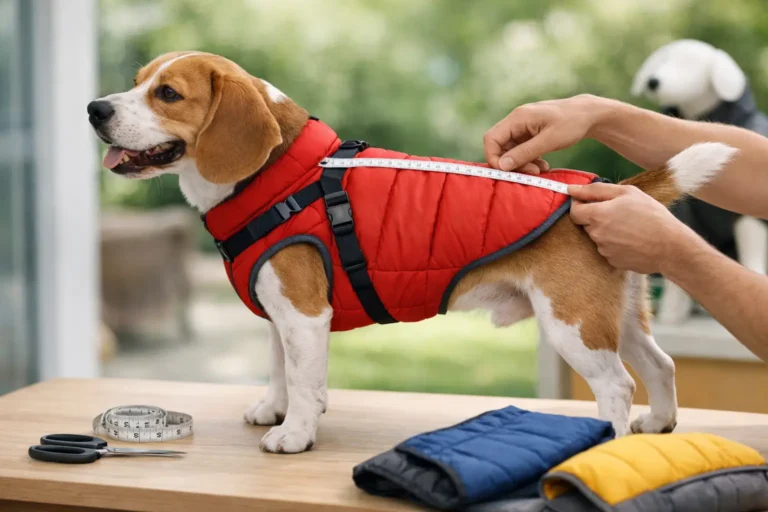
Measure your dog while they are resting naturally. Compare their length and seated height with the seat’s interior dimensions, not only its exterior measurements. If your dog is near the upper end of a listed weight range, choosing a roomier option is often the more comfortable call.
Booster seats tend to suit toy breeds and other small dogs best. Medium and large dogs may be better served by a backseat hammock, a fitted seat cover paired with a harness, or a roomy crate that fits safely in the vehicle. The goal is a travel space that fits your dog, rather than asking your dog to fit a trend.
An interior tether can help prevent a dog from jumping out of a booster seat when a door opens or when something exciting passes by the window. It should be adjustable enough to allow normal sitting and lying down, but short enough that your dog cannot climb into the front seat.
Check the clasp, stitching, and adjustment hardware regularly. A chew-happy pup may need close supervision because no fabric tether is designed to withstand determined chewing. Clip the tether to the back ring of a well-fitted harness, not to a leash or collar.
Comfort matters more on longer drives, but it also affects whether your dog will willingly use the seat at all. Padded bases, supportive sidewalls, and soft yet durable fabric are usually a smart combination. Some dogs prefer a plush interior, while dogs that run warm may settle better on a smoother, less insulating surface.
Removable, washable covers are a practical win. Road trips bring shed fur, treats, wet paws, and the occasional upset stomach. A seat with a wipeable shell and a machine-washable liner is much easier to keep fresh than one that needs spot-cleaning from top to bottom.
Not every car seat works equally well in every vehicle. Headrest straps may be awkward in a vehicle with fixed headrests, while tall booster seats may not sit level on deeply contoured seats. Front-seat use can also raise airbag concerns, particularly for small dogs.
For most dogs, the backseat is the more sensible place to ride. Review your vehicle’s owner manual and the car seat instructions before installation. A product that is excellent for a sedan may need a different setup in an SUV, truck, or compact car.
Booster seats are the familiar basket-style option. They lift small dogs above the vehicle seat so they can look out the window, which may help some pups feel calmer. They are a popular pick for short drives and dogs that enjoy being close to their people, but they are generally not the best match for larger dogs or powerful jumpers.
Bucket-style seats have more structured walls and often a deeper interior. They can feel more contained for nervous dogs, although a dog who likes to stretch out may find them restrictive. A soft-sided travel seat is lighter and may be easier to move between vehicles, but it can provide less support than a structured design.
For multi-dog households, separate spaces are often less chaotic than trying to share one seat. Two small dogs may cuddle happily at home, but car movement can make them fidgety, territorial, or uncomfortable. When in doubt, give each pup enough room to settle safely.
The first ride should not be a two-hour highway trip. Set the seat up at home or in a parked car, then let your dog investigate it with the door open. Add a familiar blanket if it does not interfere with the tether or make the base unstable. A few treats and calm praise can build a positive connection.
Start with a short drive around the block. If your dog pants, whines, drools heavily, or tries repeatedly to escape, stop and reassess. The issue may be motion sickness, anxiety, an uncomfortable fit, or a seat that sits too high or moves too much. Some dogs need several brief, pleasant rides before they relax.
Avoid feeding a full meal right before travel if your dog is prone to nausea. Bring water for longer trips, plan potty breaks, and never leave your dog alone in a parked car. Even a comfortable car seat cannot protect a pet from rapidly rising cabin temperatures.
Shake out debris after rides and wash removable covers according to their care label. Wipe plastic buckles, straps, and attachment points with a pet-safe cleaner, then let everything dry fully before reinstalling. Inspect seams and hardware regularly, especially if the seat gets daily use.
A dog car seat is one of those pet-approved picks that works best when it matches both your pup and your actual routine. Choose a stable, easy-clean option with enough room to relax, introduce it patiently, and make every ride feel a little more comfortable for the dog waiting happily in the backseat.








Leave a comment