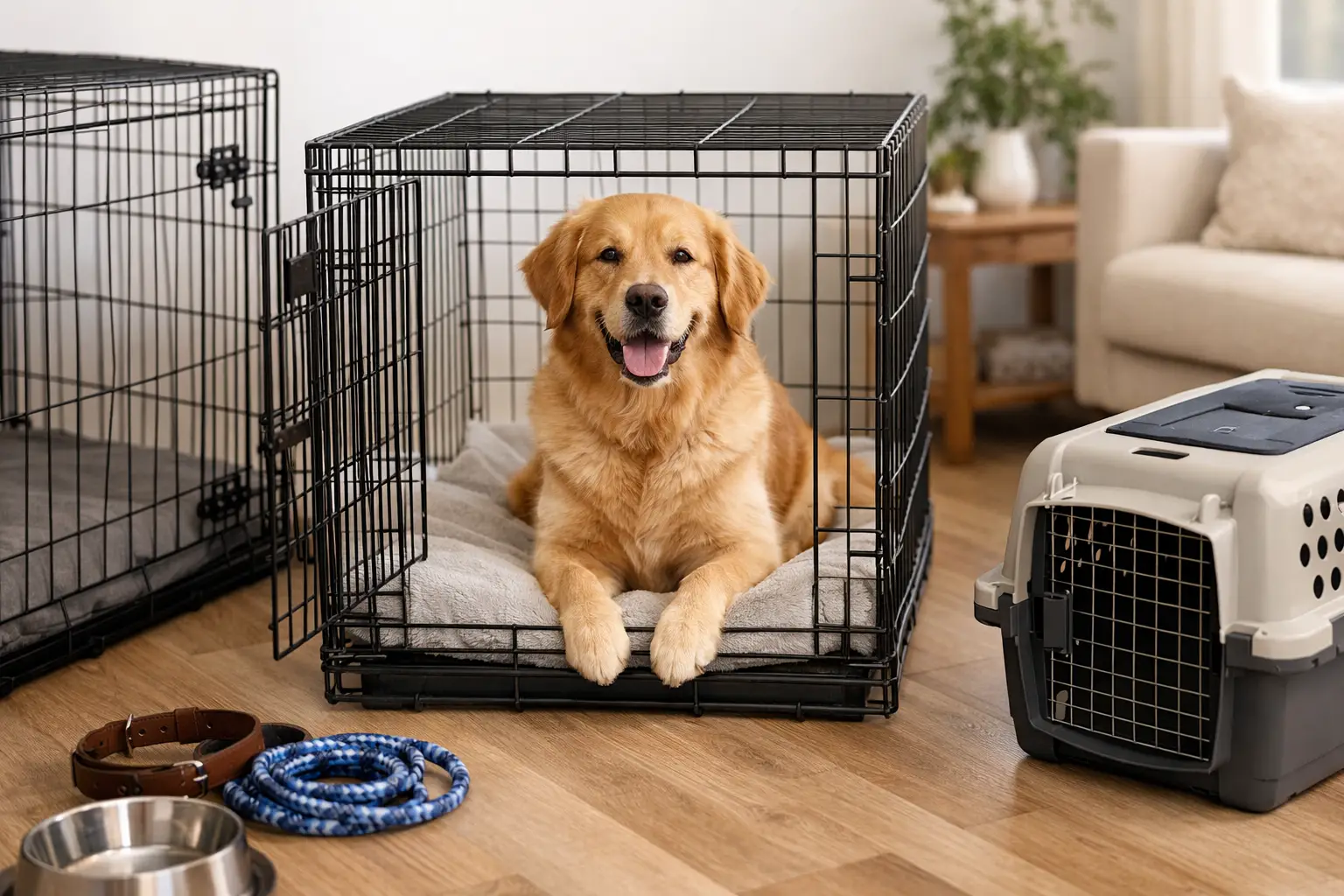
A crate that is too small can make a dog feel cramped. One that is too large can make house-training harder and take up more room than your home needs to spare. Learning how to choose a dog crate comes down to matching the crate to your dog’s body, habits, age, and everyday routine – not simply picking the cutest option or the first size labeled for their breed.
For many pet parents, a crate becomes more than a training tool. It can be a cozy sleeping spot, a calm place to settle during busy evenings, or a secure travel space. The right choice gives your dog a comfortable little den while making daily life easier for you.
Breed labels are a helpful starting point, but they should never be your final answer. Dogs of the same breed can vary widely in height, length, and build. A lean, long-legged dog and a stockier dog may need completely different crate sizes even if they weigh the same.
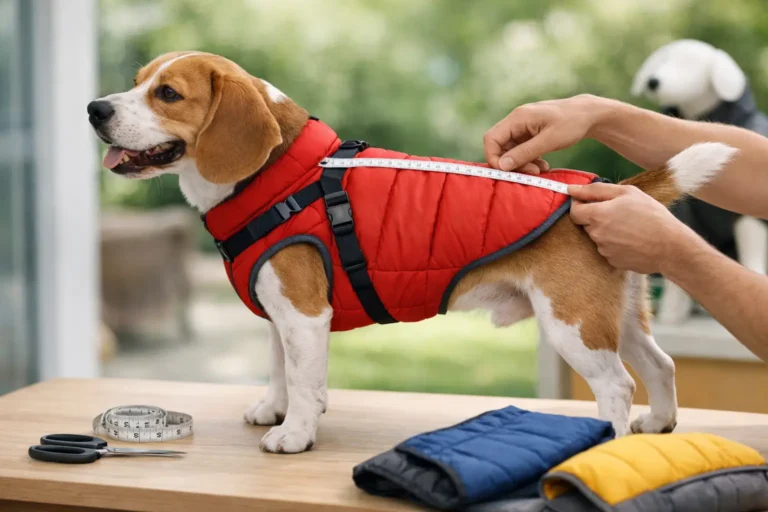
Measure your dog from the tip of the nose to the base of the tail while they are standing. Then measure from the floor to the top of their head or ears, whichever sits higher. Add about 2 to 4 inches to both measurements so your dog can stand up, turn around, and lie down comfortably.
A properly sized crate should feel cozy, not restrictive. Your dog should not have to crouch, squeeze through the door, or curl into an unnatural position to rest. At the same time, an oversized crate may encourage a puppy to use one end as a bathroom and the other as a sleeping area.
If you are crate training a puppy, consider a crate with a removable divider panel. It lets you create a smaller sleeping space now, then expand the crate as your pup grows. It is a practical option for pet parents who do not want to buy several crates during the first year.
Before choosing a material or style, think about when and where the crate will be used. A crate for quiet naps in the living room has different needs than one used for road trips, airline travel, or a dog that is still learning not to chew furniture.
For everyday home use, many families prefer a wire crate. It offers plenty of ventilation, gives dogs a clear view of the room, and often folds flat for storage or travel. A removable plastic tray makes cleanup simpler after muddy paws, shedding season, or the occasional puppy accident. Wire crates can feel open, so some dogs relax more easily with a breathable crate cover placed over part of the sides.
Plastic kennels are a popular choice for travel and for dogs that prefer a more enclosed space. Their solid sides can create a den-like feel and reduce visual distractions. If you plan to fly with your dog, check the airline’s current crate rules before shopping. Airline requirements can differ by carrier, route, and whether your dog travels in the cabin or cargo area.
Soft-sided crates are lightweight and convenient for calm, crate-trained dogs. They work well for visits, hotel stays, and relaxed travel, but they are not the best match for a puppy who chews, scratches, or tries to push through zippers. A soft crate is about portability and comfort, not heavy-duty containment.
Furniture-style crates can blend into a living room or bedroom more naturally. Some double as side tables, which is useful in smaller homes. Choose one with enough airflow, a secure door, and materials that can handle your dog’s size and energy level. Style is a nice bonus, but comfort and safety should always come first.
Dogs have preferences, just like people do. Some enjoy seeing every household activity and may be happiest in an open wire crate. Others settle faster when they have fewer sights and sounds around them. A more enclosed crate or a partially covered wire crate can help those dogs relax.
Consider your dog’s chewing and escape habits honestly. A determined chewer or anxious escape artist may bend thin wire, damage fabric, or hurt themselves trying to get out. In that case, look for a sturdier crate with strong latches and a design made for secure containment. Crating should never replace training or help for serious separation anxiety, but a well-built crate can prevent accidents when you cannot supervise.
Door placement matters, too. A front-door crate works well in many spaces, while a crate with both front and side doors gives you more flexibility when arranging furniture. Think about where the crate will sit and whether the door can open fully without blocking a hallway, cabinet, or family traffic path.
The crate itself is only part of the setup. A washable crate mat, bed, or pad can make the space far more inviting, especially on hard floors. Pick bedding that fits flat inside the crate and is appropriate for your dog’s habits. For a puppy who tears up blankets or swallows fabric, start simple with a durable, easy-clean mat and add plush bedding once they are ready.
Ventilation is essential in every crate style. Your dog needs steady airflow, especially in warm rooms, vehicles, or covered crates. Keep the crate away from direct sun, heating vents, fireplaces, and drafty exterior doors. During hot weather, never leave a dog crated in a parked car, even for a short errand.
For puppies and dogs in training, easy cleanup is a feature worth prioritizing. Removable trays, wipeable surfaces, and machine-washable bedding save time and make it easier to keep your dog’s space fresh. A crate should feel clean and comfortable, not like a place associated with old accidents or punishment.
Even the best crate will not help if your dog only sees it when you leave the house or when they have done something wrong. Place it in a part of the home where your dog can still feel connected to the family, such as the living room, bedroom, or a quiet corner near everyday activity.
Leave the door open at first and toss a favorite toy or a few treats inside. Serve meals near the crate, then gradually move the bowl farther in as your dog becomes comfortable. Let them enter and exit on their own before asking them to spend short periods inside with the door closed.
Avoid using the crate as a timeout for normal puppy behavior. Dogs need play, bathroom breaks, walks, social time, and room to stretch. The crate is most effective when it is one comfortable part of a balanced daily routine. Young puppies in particular should not be expected to stay crated for long stretches without a potty break.
Look over the crate’s latch, corners, door edges, and ventilation openings. The door should close securely without pinching fingers or paws. There should be no sharp wire ends, loose pieces, or gaps large enough for a paw, collar tag, or jaw to become caught.
Remove collars, harnesses, and clothing before unattended crate time whenever possible. Tags and straps can snag on crate bars or doors. Also make sure water bowls, toys, and chew items are safe for your particular dog. What works for a calm adult may not be safe for a curious puppy who likes to dismantle everything.
A dog crate does not need to be complicated. Choose the right size, select a style that suits your routine, and create a soft, safe space your dog wants to use. When your dog walks in willingly to rest after a busy day, you will know you picked a pet-approved spot that feels like home.
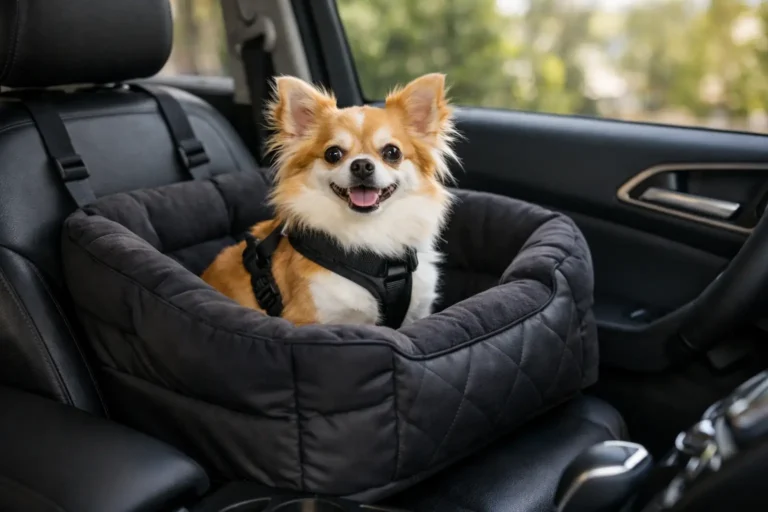
[…] check the manufacturer’s testing information carefully and consider a safety-rated harness or travel crate designed for your dog’s […]








Leave a comment