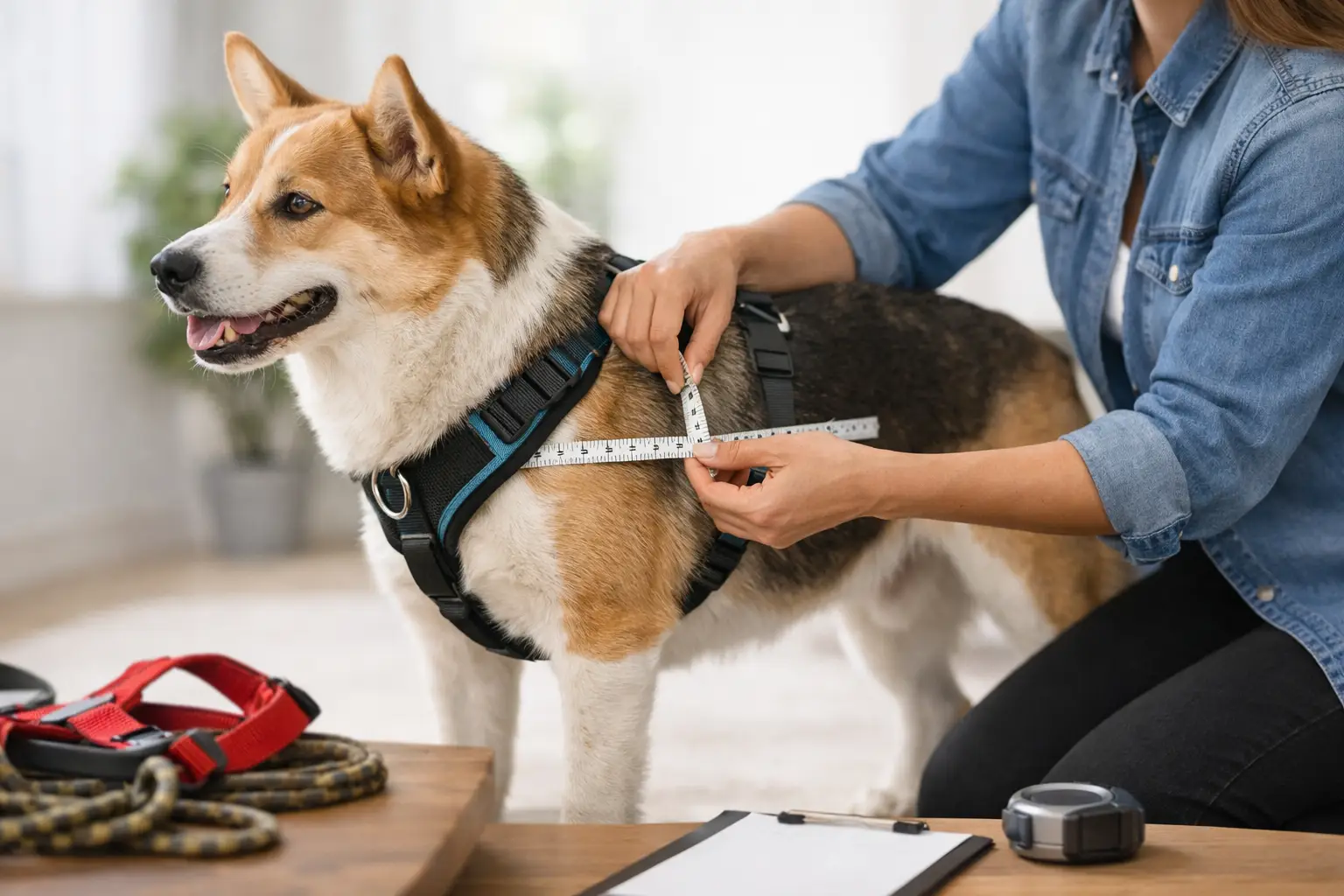
A harness that twists, rubs, or slips off during a walk can turn a quick potty break into a small circus. If you are wondering how to size dog harness options correctly, the good news is that it usually comes down to two simple things: getting the right measurements and checking how the harness actually sits on your dog’s body.
A good fit matters for comfort, but it also matters for control. Too tight, and your dog can end up with chafing under the legs or pressure across the chest. Too loose, and even a calm dog can back out of it at the worst possible moment. The right harness should feel secure without looking restrictive.
Most harness sizing starts with a soft measuring tape. If you do not have one, a piece of string and a ruler will do the job. The key is measuring the right areas and not guessing based on breed alone.
The most important measurement is usually the chest or girth. This is the widest part of your dog’s rib cage, typically just behind the front legs. Wrap the tape around that area so it sits snugly but not tightly. You want contact with the coat, not a squeeze.
Many harnesses also use a neck measurement. Measure around the lower part of the neck, closer to where a harness would rest, not high up where a collar sits. Some styles rely more on chest size than neck size, while others need both to fit properly. If a product listing provides both, use both.
Weight can help as a rough reference, but it should never be the main factor. Two dogs can weigh the same and have very different builds. A lean, deep-chested dog and a stockier dog may land in completely different sizes even if the scale says otherwise.
If your dog falls between sizes, the better choice depends on the harness design. For adjustable harnesses, sizing up often makes sense because you can fine-tune the straps. For less adjustable styles, sizing down may work if the larger size would leave too much room around the chest. This is one of those cases where the product shape matters as much as the chart.
Once the harness is on, the fit check matters more than the label size. A medium in one brand can fit like a small in another, so use your eyes and hands.
You should be able to slide two fingers between the harness and your dog’s body in most areas. That gives enough room for movement and breathing without leaving the harness loose. If you can fit a whole hand under it, it is probably too loose. If the straps leave marks or flatten the fur deeply, it is too tight.
The chest strap should sit around the rib cage, not pressing into the soft area right behind the front legs. The front of the harness should stay clear of the throat so it does not ride up when your dog pulls or changes direction. Around the shoulders, your dog should be able to walk naturally without looking short-strided or stiff.
Watch your dog move. This is where fit problems show up fast. A harness that looks fine while standing still may shift sideways, rub under the armpits, or creep toward the neck once your dog starts walking. If your dog keeps scratching at it, freezing, or trying to wriggle free, the fit may be off, even if the measurements seemed right.
Not all harnesses fit the same way, which is why sizing can feel confusing. The style you choose changes where the pressure points land and how much adjustment you get.
Back-clip harnesses are popular for everyday walks and casual use. They are often simple to put on and tend to work well for dogs that already walk fairly nicely on leash. With these, chest fit is usually the big priority. If the chest is secure and the straps are not cutting into the legs, you are on the right track.
Front-clip harnesses are often chosen for dogs that pull, since they can help redirect movement. These need a little more care with sizing because the front panel has to sit flat across the chest. If it pulls to one side or bunches up, the fit is probably wrong.
Step-in harnesses can be convenient for dogs that dislike gear going over their heads. They are often easier to use, but they can be less forgiving if the proportions are off. If the chest measurement is even a little wrong, the harness may feel either too snug when buckled or too loose once your dog starts moving.
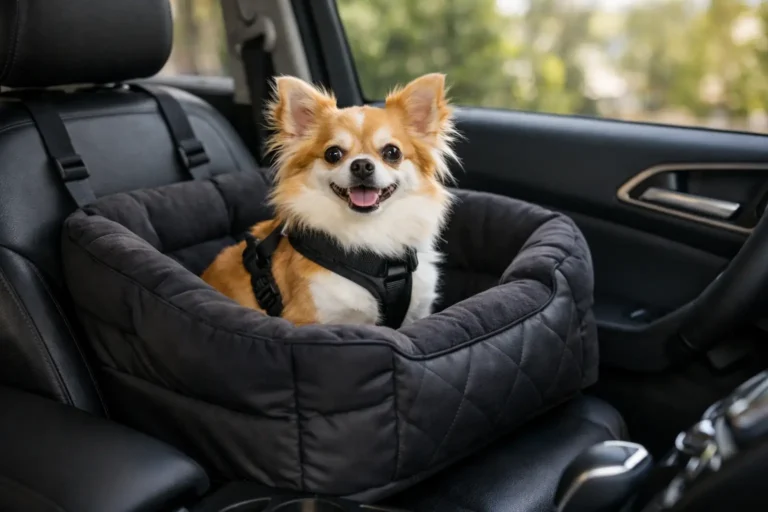
Vest harnesses give more coverage and can feel cozy for some dogs, especially smaller breeds. The trade-off is heat and bulk. A vest that fits nicely indoors may feel warmer outside, so leave room for comfort without letting it shift around.
No-pull styles often have more structure and more straps. They can be great for control, but only if the fit is precise. Too loose, and the harness rotates. Too tight, and the added structure can create rubbing points during longer walks.
The most common mistake is eyeballing it. A lot of people know their dog’s general size and assume small, medium, or large will be enough. That works occasionally, but harness sizing is not standardized, and body shape matters a lot.
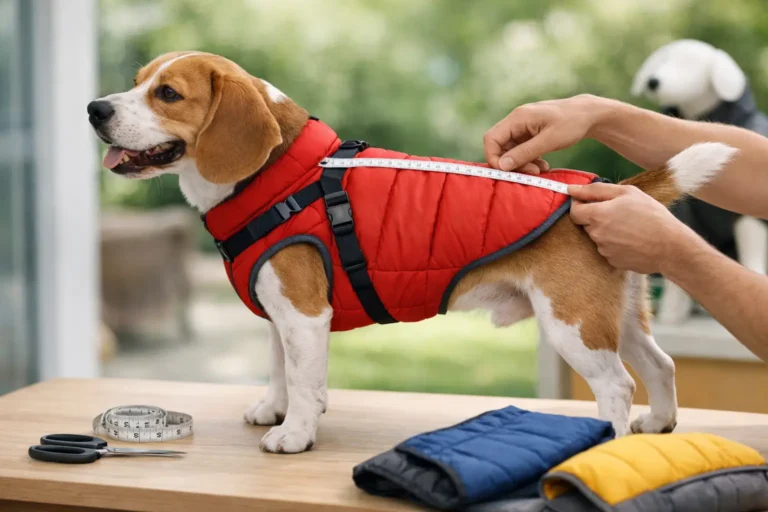
Another mistake is measuring over thick clothing. If your dog wears a sweater or jacket under the harness, you may need a little extra room, but do not take the base body measurement over bulky layers and assume that is the everyday fit. Most of the time, measure your dog without clothing first, then adjust for seasonal use if needed.
Puppy owners run into a different issue. Buying a larger harness “to grow into” sounds practical, but an oversized harness is hard to secure safely. If your puppy is growing fast, adjustable styles are the best middle ground. You get a little extra room without making the fit sloppy right now.
Long-haired dogs can also fool the eye. Fluffy coats make dogs look bigger, but the harness needs to fit the body underneath the fur. Always measure close to the skin as much as possible.
Sometimes a harness technically fits, but not well enough to keep using. If your dog slips out of it, that is an obvious red flag. More subtle signs include bald spots, redness, frequent scratching, and a harness that rotates during walks.
Pay attention to behavior changes too. If your dog seems reluctant to go on walks, resists getting dressed, or moves awkwardly once the harness is on, the issue may not be attitude. It may be discomfort. Dogs are pretty honest about gear they do not like.
It also helps to recheck fit over time. Weight changes, seasonal coat changes, age, and muscle gain can all affect sizing. A harness that fit perfectly six months ago may not fit the same way now.
If you want the process to feel easier, measure first, compare those numbers to the size chart for the exact harness style, and then focus on adjustability. More adjustment points usually give you a better chance of dialing in the fit, especially if your dog has a broad chest, narrow waist, or anything other than a very average build.
This is where shopping from a store with lots of pet-approved picks can help. When you can compare different harness styles in one place, it is much easier to find something that matches your dog’s shape and your daily routine, whether you need a lightweight harness for quick walks or a more supportive option for training and travel.
The best harness size is not the one your dog can squeeze into, and it is not the loosest one that seems comfortable in the living room. It is the one that stays put, allows easy movement, and lets both of you head out the door without fuss. A few careful measurements now can save a lot of adjusting later, and your dog will feel the difference every step of the way.








Leave a comment