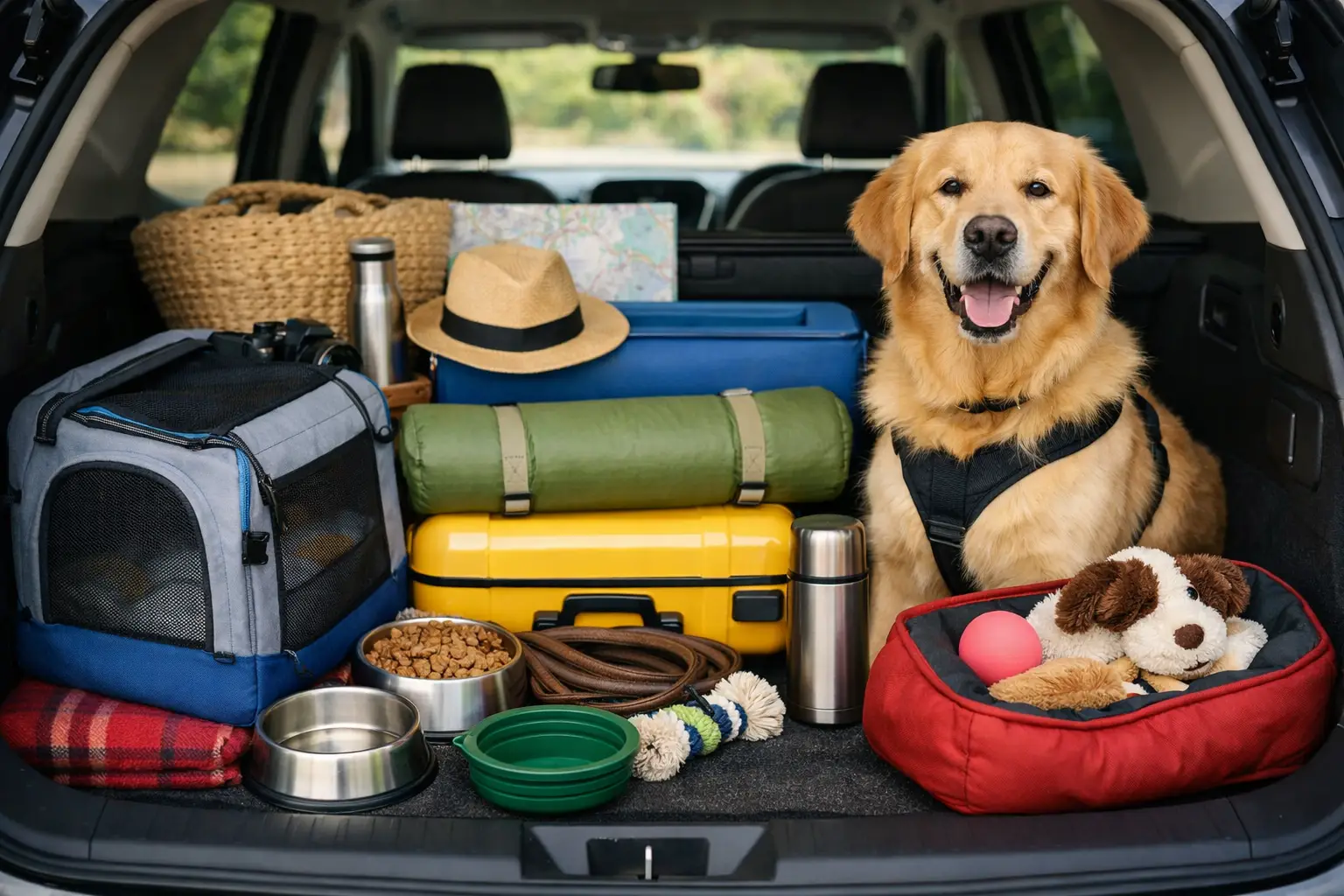
The back seat is covered, the snacks are packed, and your pet notices something exciting is happening. Before you pull out of the driveway, a thoughtful road trip pet packing list can make the difference between a fun family getaway and a string of avoidable stops. Pets do best when their routine, comfort, and safety travel with them.
Whether you are heading to a nearby campground or driving across several states, pack for the trip you are actually taking. A calm adult dog on a three-hour drive needs less than a puppy, senior pet, or anxious traveler on a weekend-long adventure. Start with the essentials, then add the little comforts that help your pet settle in.
Road trips can make feeding schedules a little messy, but sudden changes in food are rarely a good idea. Bring your pet’s regular food in a sealed container or portion it into daily bags before you leave. This keeps meals simple at rest stops, hotels, and campsites while helping prevent an upset stomach.
Pack more food than the calendar says you need. Delays happen, stores may not carry your pet’s usual formula, and some pets eat more when they are active outdoors. A small scoop and a collapsible or travel-friendly bowl make serving meals much easier without filling the car with bulky gear.
Fresh water matters just as much. Keep a refillable water bottle or portable pet water dispenser within reach, rather than buried under luggage. Offer water at each break, especially in warm weather. Pets can get dehydrated quickly when they are excited, panting, or spending extra time outside.
Your daily-care supplies should include:
If your pet takes prescription medication, carry it in its original labeled container and keep it in a temperature-safe spot. It is also smart to bring your veterinarian’s phone number and a recent photo of your pet, just in case you are separated in an unfamiliar place.
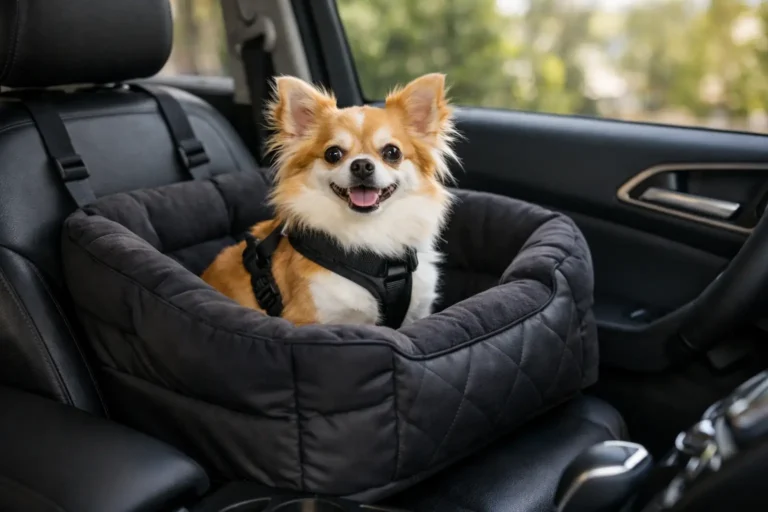
A pet should never ride loose in the car. It may feel cozy to let a dog stretch across the back seat, but a sudden stop can turn a relaxed passenger into a serious distraction or injury risk. Choose a secure travel setup that matches your pet’s size, temperament, and the length of the drive.
For many dogs, a vehicle harness that attaches to a seat belt provides a practical balance of security and comfort. A travel crate can be a great choice for pets who already view their crate as a calm, familiar space. Cats are usually safest in a well-ventilated carrier that stays secured in the vehicle. Test your setup on a few short drives before a big trip if your pet is not used to it.
Do not place pets in the front passenger seat, where airbag deployment can be dangerous. Keep windows mostly closed or use window guards. Even a well-trained dog can spot a squirrel, smell something interesting, or react to a passing truck in a split second.
Along with your restraint system, pack an ID tag with your current phone number, a leash, a backup collar, and proof of rabies vaccination if required at your destination. A pet first-aid kit is worth having, too. Include gauze, bandages, pet-safe antiseptic, tweezers, and any items your veterinarian recommends for your specific pet.
New sounds, moving scenery, and long periods of waiting can be a lot for pets. Bring a favorite blanket, small bed, or familiar toy to create a comforting spot in the car and wherever you stay overnight. The scent of home can be surprisingly reassuring after a long day on the road.
For dogs that love to chew, choose a durable chew toy or a treat-stuffable toy that can keep them occupied during quiet stretches. For cats, a familiar soft blanket and a small toy are usually better than packing their entire playroom. Keep comfort items simple and easy to wash, especially if your trip includes muddy trails, sandy beaches, or rainy walks.
Some pets experience motion sickness or travel anxiety. Signs can include drooling, whining, vomiting, pacing, or refusing food. Avoid feeding a large meal right before departure, take breaks often, and keep the car cool. If symptoms are frequent or severe, talk with your veterinarian before traveling. The right plan depends on your pet’s health and history, not just what worked for another animal.
A good travel day includes regular chances to stretch, sniff, drink, and use the bathroom. Plan stops about every two to three hours for most dogs, with more frequent breaks for puppies, seniors, and small dogs. Always leash your pet before opening the car door. New places can be exciting, and unfamiliar traffic or noises can cause even dependable pets to bolt.
A practical outing kit includes a sturdy leash, harness, waste bags, treats, water, and a towel. Add a light-up collar or reflective accessory if you might arrive after dark. For active dogs, a long line can offer more room to explore at a safe distance when local rules allow it.
Overnight stays need a little extra thought. Confirm pet policies before you arrive, including size limits, fees, and whether pets can be left alone in the room. Bring a portable bed or crate, feeding bowls, and a towel for wiping paws before coming inside. A simple door sign that lets staff know a pet is in the room can also prevent surprises.
Never leave a pet alone in a parked car, even for a quick stop. Temperatures can rise or drop fast, and cracked windows do not make a vehicle safe. When possible, have one person stay with the pet while the other runs inside for food, fuel, or supplies.
Your packing choices should change with the season. Summer trips call for extra water, shade options, cooling mats, and paw protection from hot pavement. If the pavement is too hot for the back of your hand, it is too hot for paws. Schedule walks for cooler morning or evening hours when possible.
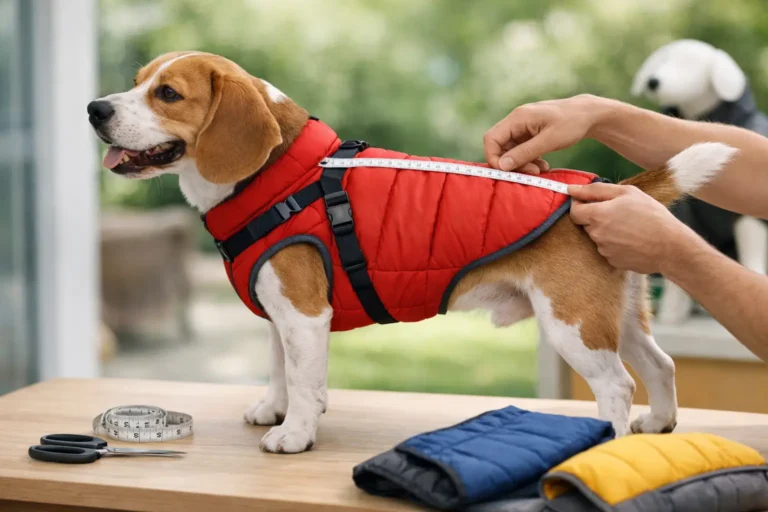
For cold-weather travel, bring a warm pet jacket if your pet has a short coat, plus blankets and paw wipes for road salt. Wet paws and fur can make a pet chilly quickly, so keep a dry towel handy. A pet raincoat can be useful for walks in wet weather, but it is not a substitute for a warm, dry place to rest.
Also think about the activities on your itinerary. Beach days may call for a floating toy and extra towels. Hiking trips may require a harness, tick-check tool, and a portable bowl. Visiting family can be easier with a calming toy, a gate, or a familiar bed that gives your pet a quiet spot away from the crowd.
The easiest road trip setup is one where you can find the leash, water, and cleanup supplies without unpacking half the car. Keep a small grab-and-go bag near the door or passenger area for rest stops. Store extra food, bedding, and backup supplies separately with your luggage.
Check that your pet is wearing identification before every stop, and make sure your microchip information is current. A quick pre-departure walk, a secure harness or carrier, and a comfortable place to settle can set the tone for the whole drive.
At Doggodays.shop, pet parents can find everyday travel-friendly picks alongside the feeding, comfort, grooming, and play essentials that make packing easier. Give yourself a few minutes to prepare before the first mile, then enjoy the best part of the trip: seeing your pet discover somewhere new right beside you.








Leave a comment