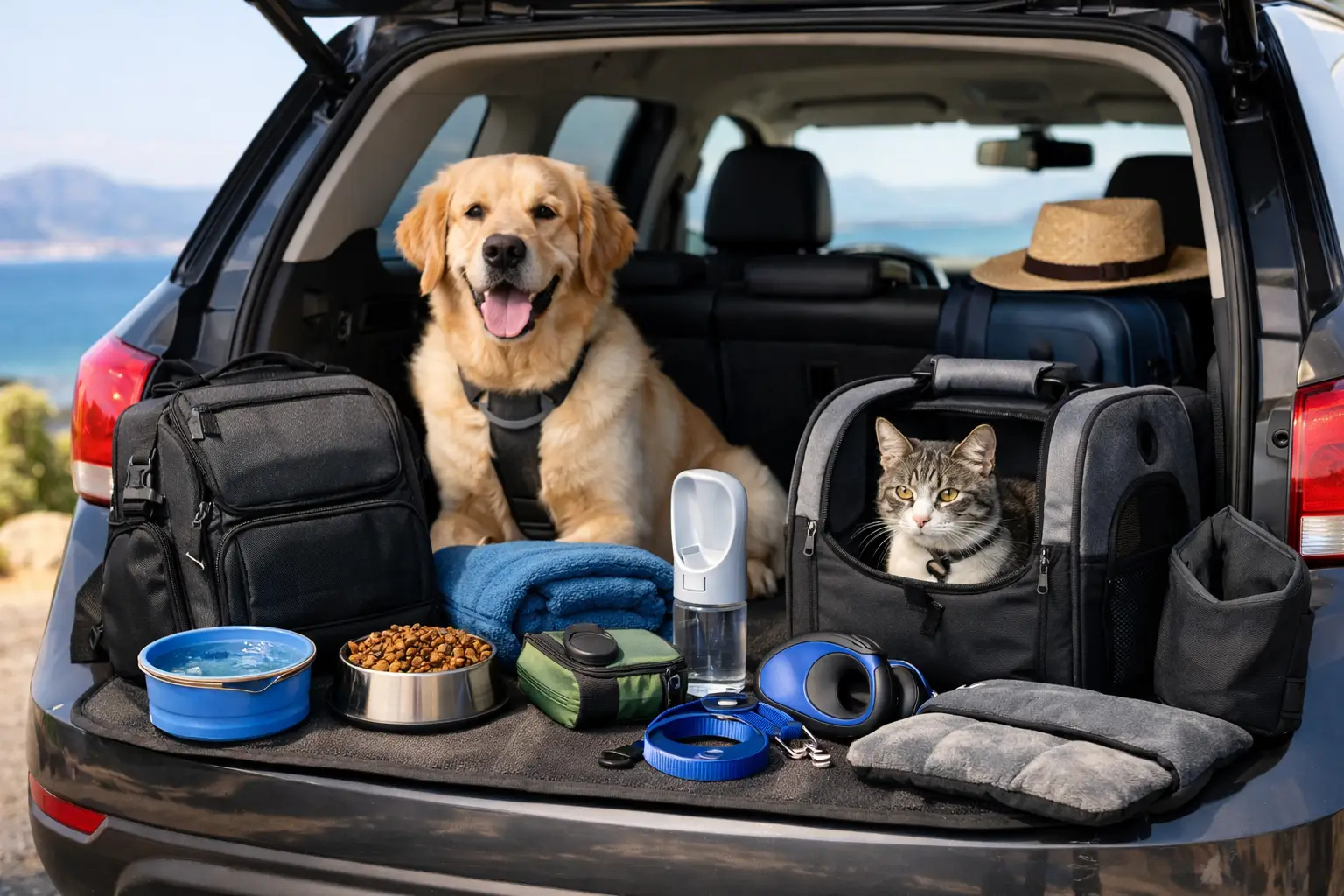
A great pet trip can go sideways fast when a leash is buried under luggage, the water bowl spills across the back seat, or your dog decides the moving car is not for them. The best pet travel accessories make those moments easier to manage, whether you are headed to the vet, taking a weekend road trip, or flying across the country with your favorite sidekick.
You do not need to pack every pet product you own. The smartest travel setup focuses on safety, comfort, hydration, cleanup, and keeping your pet close by. Start with the basics, then choose a few extras based on your pet’s size, temperament, and how long you will be away.
For cats, small dogs, and other small pets, a well-ventilated carrier is the starting point. It should give your pet enough room to stand, turn around, and lie down without being so oversized that they slide around during the ride. Soft-sided carriers are light and easier to carry through airports, while hard-sided crates offer more structure and can be the better choice for car travel or pets that scratch and chew.
If you are flying, check your airline’s current carrier size rules before buying or packing. Airline requirements can vary, and a carrier that works under one seat may not fit another aircraft. For car travel, secure the carrier so it cannot tip or shift when you brake.
Letting a dog ride loose in the car may feel fun, but it can distract the driver and put the dog at risk in a sudden stop. A travel harness designed to work with a seat belt helps keep your dog in one place while still allowing them to sit or lie down comfortably.
Choose a harness that fits across the chest rather than one that pulls from the neck. It should be snug enough that your pet cannot back out, yet comfortable enough for a longer ride. A standard walking harness is not always built for vehicle restraint, so look for a product clearly made for car use.
Hydration is one of those travel needs that is easy to forget until your pet is panting at a rest stop. A portable pet water bottle with an attached drinking cup is handy for walks, hikes, and quick breaks. Collapsible bowls take up very little room and work well for both food and water.
Bring your own water when possible, especially for pets with sensitive stomachs. New water sources, warm weather, and travel stress can all make digestion less predictable. For a full day out, pack extra water instead of assuming a stop will have a pet-friendly fountain.
Scooping kibble into a thin plastic bag may work for one night, but it is not ideal for a longer trip. A sealed food container helps keep meals fresh, organized, and away from curious noses. It also makes portioning simpler when multiple people are caring for your pet.
Pack a little more food than you expect to need. Delays happen, bags get misplaced, and your usual brand may not be easy to find on the road. If your pet eats wet food, bring a small cooler bag and ice packs where appropriate, then follow storage instructions on the food label.
New places come with unfamiliar sounds, smells, and floors. A favorite blanket, small pet bed, or crate pad gives your pet a recognizable spot to settle. This is especially useful in hotels, vacation rentals, and when visiting family members with busy households.
The best choice is washable and easy to fold. Skip the oversized plush bed if it takes up half the trunk, unless your pet truly needs it for joint support. A lightweight blanket often gives nervous pets the same familiar comfort with much less bulk.
Cleanup supplies are not exciting, but they are non-negotiable. Keep waste bags in more than one place, such as your travel tote and car door pocket, so one forgotten roll does not create a problem. For cats, line a small travel litter tray with disposable bags and pack enough litter for the trip.
For puppies, senior pets, or pets prone to motion sickness, bring absorbent pads, pet-safe wipes, paper towels, and a sealed bag for soiled items. An enzymatic cleaner can be worth packing for overnight stays, but make sure the cap is secure before it goes in your luggage.
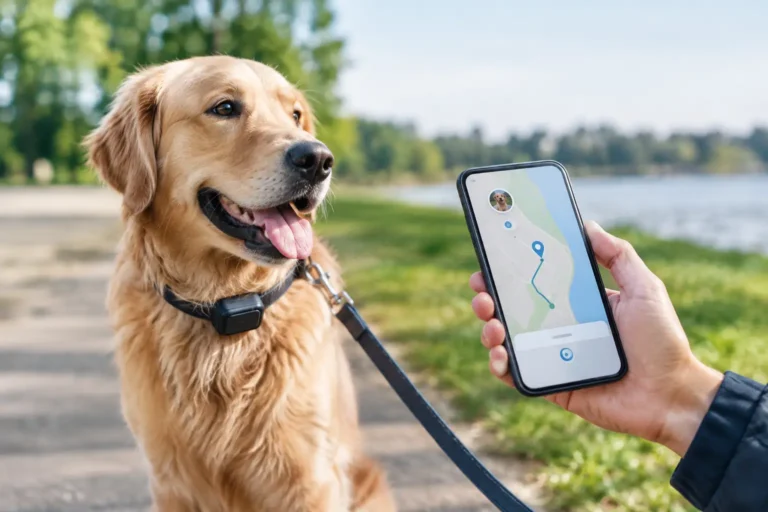
Travel introduces more chances for a pet to slip through a door, get startled in a parking lot, or become separated during a stop. Before leaving, check that the collar fits properly and that the ID tag includes a current phone number. A second tag with a temporary travel contact can be useful if someone else is watching your pet during part of the trip.
Microchip information should also be up to date. A microchip is not a substitute for a visible tag, since a finder needs to get your pet scanned, but it adds an important backup layer.
A sturdy leash, collar or harness, and a few familiar walking routines can make a strange destination feel more normal. A hands-free leash can be helpful when you are carrying luggage, opening doors, or holding a travel cup, though it is best for dogs that already walk politely without pulling.
For dogs that lunge or get overwhelmed in crowded areas, a standard leash gives you more direct control. It depends on your dog’s behavior, not just what looks convenient. Bring a spare leash, too. A broken clip is a small problem at home and a much bigger one miles away.
Some pets enjoy every new stop. Others need time to adjust. A favorite chew toy, plush toy, or treat-dispensing toy can offer a welcome distraction during a long ride or a quiet evening in a hotel room.
Avoid introducing a brand-new calming product for the first time during a major trip. Test toys, chews, and pet-safe calming options at home first to see how your pet responds. If your pet has serious travel anxiety, ask your veterinarian for guidance before departure.
A compact pet first-aid kit belongs in every travel bag. It can hold gauze, nonstick pads, pet-safe bandage materials, tweezers, saline solution, and a digital thermometer. Add any prescription medications in their original labeled containers, plus enough doses for the full trip and a little extra.
Do not give human pain relievers or motion sickness medication unless your veterinarian specifically tells you to. Many common human medications are unsafe for pets, even in small amounts. Keep your veterinarian’s number and the contact information for an emergency clinic near your destination saved on your phone.
A seat cover protects your upholstery from fur, muddy paws, drool, and surprise messes. It also creates a defined area for your dog, which can help some pets settle during longer drives. Look for a washable option with secure straps and a non-slip backing.
A waterproof blanket is a more flexible alternative for smaller dogs, cats in carriers, or pets riding in a crate. It can cover a seat, line a hotel floor, or serve as an extra layer over a travel bed.
The final accessory is the one that keeps everything else from disappearing. Use one tote, backpack, or zippered organizer just for pet supplies. Keep the items you need during stops near the top: leash, waste bags, water, treats, wipes, and paperwork.
For longer trips, organize the tote into small pouches for feeding, grooming, health supplies, and cleanup. Doggodays.shop makes it easy to browse pet-approved picks across travel, feeding, comfort, and everyday care categories, so you can build a setup that matches your pet rather than buying a random bundle.
The best accessories are not necessarily the most expensive or the most packed with features. Start with your mode of travel. Road trips call for a secure restraint, water access, and easy cleanup. Air travel often requires a compliant carrier and carefully organized documents. Day trips may only need a leash, water bottle, bowl, and a few treats.
Then consider your pet. A young, energetic dog may need a durable harness and enrichment toy. A senior dog may benefit more from a supportive pad, ramps, and frequent rest breaks. Cats often travel best with a secure carrier, a familiar blanket, and a quiet plan for bathroom breaks rather than lots of handling.
Before a big trip, take a short practice drive with the carrier, harness, or seat cover in place. A few calm trial runs can help your pet understand that their new travel gear is a safe, familiar part of the routine. Pack with care, allow extra time for breaks, and your pet will have a much better chance to arrive feeling comfortable and ready for the next adventure.
[…] calls for the same individual approach. Each pet needs a properly sized carrier, crate, or travel space with enough room to stand, turn around, and rest comfortably. Never assume […]
[…] the trip itself. For short car rides and regular vet visits, a well-made soft carrier is often an easy choice. For long road trips, it […]








Leave a comment