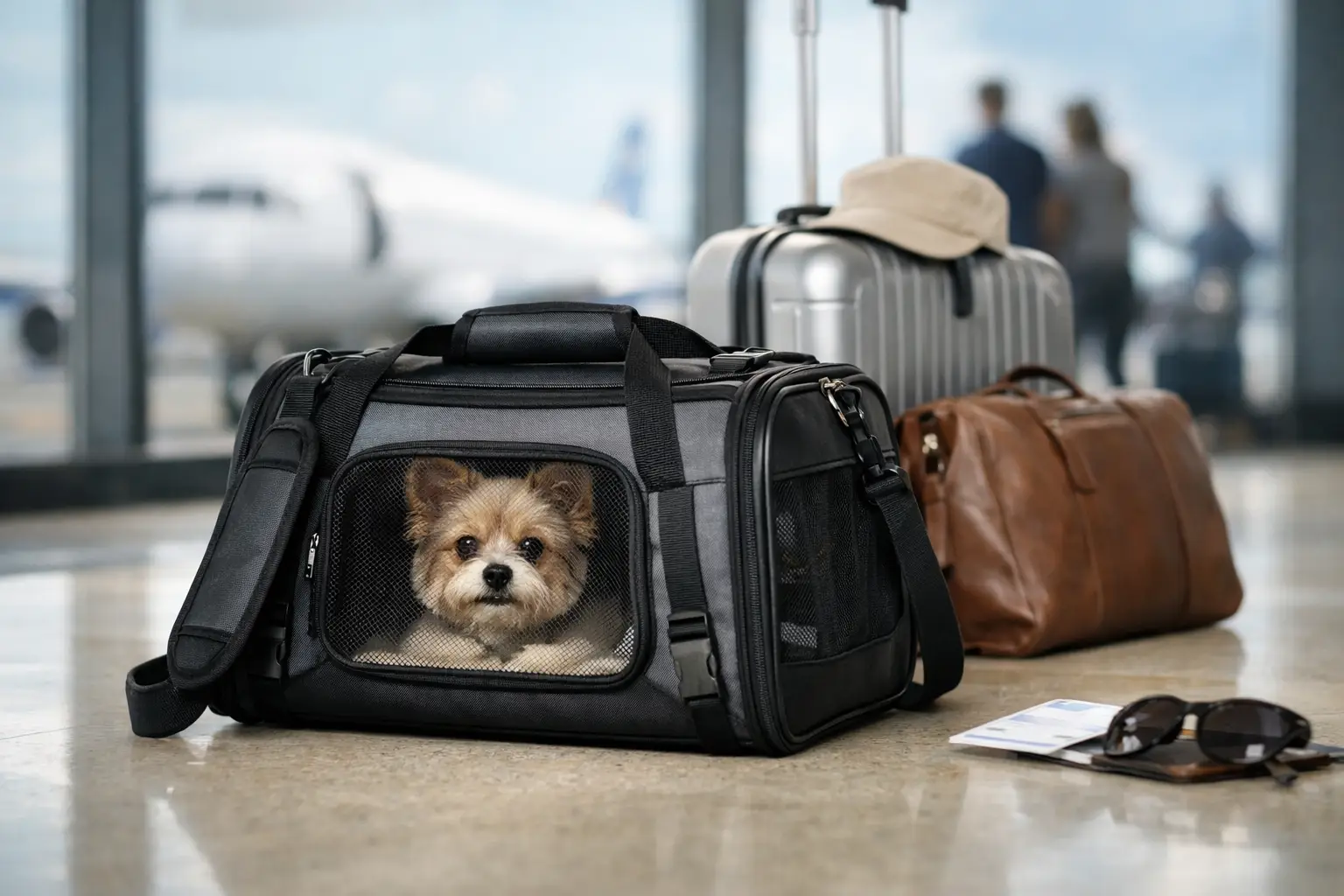
A carrier that looks roomy on a product page can feel very different once your pet is inside it. This soft sided pet carrier review focuses on the details that make everyday trips, car rides, vet visits, and flights feel more comfortable for pets and less stressful for their people.
Soft carriers are popular for good reason. They are lightweight, easy to store, and often less intimidating than a hard plastic kennel. Still, they are not one-size-fits-all. The right choice depends on your pet’s size, temperament, travel plans, and how often you expect to use it.
For calm cats, small dogs, and pets who prefer a snug den-like space, a soft sided carrier can be a practical travel essential. Fabric panels and padded bases create a gentler ride than a rigid crate, while mesh windows let pets see and smell what is happening around them. Many styles also have carrying handles, shoulder straps, and pockets for small necessities.
The biggest everyday advantage is convenience. A soft carrier is usually easy to lift into the car, tuck beside a seat, or store in a closet between appointments. Some designs fold down when not in use, which is especially helpful in apartments and homes where storage space is limited.
That said, soft-sided does not automatically mean comfortable. A flimsy carrier can sag under your pet’s weight, and too much mesh can leave a nervous pet feeling exposed. The best option balances coziness with structure, giving your pet a stable place to rest without making the carrier heavy or awkward to carry.
When comparing carriers, start with the features your pet will notice first: space, support, airflow, and entry points. Cute prints and extra pockets are nice bonuses, but they should not come before a secure, comfortable fit.
Your pet should be able to stand up without hunching, turn around, and lie down in a normal resting position. Measure your pet from the base of the neck to the base of the tail, then measure from the floor to the top of the head or ears while standing. Compare those measurements with the carrier’s interior dimensions, not just the exterior dimensions listed by the seller.
Avoid sizing up too aggressively. A carrier that is much too large can shift during a car ride and make a small pet feel unsteady. For a pet who is still growing, it is usually better to choose a well-fitting carrier for current use rather than relying on a loose fit and hoping it lasts forever.
Weight limits matter, too, but they are only part of the picture. A 15-pound pet with a long body may need more length than a compact 15-pound pet. Look for a reinforced bottom panel and a stated weight capacity that comfortably exceeds your pet’s current weight.
Mesh sides are a major reason pet parents choose soft carriers. Good airflow helps prevent a stuffy interior, especially during warmer weather or a longer wait at the vet. Multiple mesh panels are generally more useful than one small window, as long as the material is tightly woven and securely stitched.
Check the zippers around those mesh panels. They should move smoothly and close fully without gaps. Curious cats and clever small dogs may test a zipper with their paws or nose, so covered zipper pulls, clips, or locking tabs can offer extra peace of mind.
For shy pets, a carrier with a roll-down privacy flap can be a welcome feature. It gives you the option to reduce visual stimulation in a busy waiting room while keeping enough ventilation available. Never cover every mesh panel with a blanket or flap, particularly in warm conditions.
A carrier with both top and side openings gives you more flexibility. Side entry works well for a pet who walks in on their own, while top entry can be helpful for a cat who freezes, backs away, or needs a gentle lift into the carrier.
This is more than a convenience feature. Trying to push a reluctant pet through a narrow opening can turn travel into a struggle for everyone. A wide opening, smooth zipper, and stable carrier frame make it easier to get your pet settled without rushing.
If your pet is especially anxious, leave the carrier open at home before the first outing. Put a familiar blanket, a favorite toy, or a few treats inside. The goal is for the carrier to become a familiar resting spot, not something that appears only before an appointment.
A padded floor feels nice, but a removable pad alone is not enough. Look underneath it for a firm, supported base that will not bow when you lift the carrier. A stable floor helps your pet keep their footing and prevents the carrier from feeling like a hammock.
Removable, washable liners are a smart choice for daily life. Fur, muddy paws, motion sickness, and small accidents happen. Being able to clean the interior without washing the entire carrier makes upkeep much simpler. A water-resistant bottom is also useful when the carrier has to sit on a damp sidewalk, parking lot, or clinic floor.
Soft carriers are a great fit for many small pets, but they have limits. A pet who chews through fabric, claws aggressively at mesh, or panics when confined may need a sturdier hard-sided kennel. The same is true for larger dogs whose weight could make a fabric carrier difficult to carry safely.
Consider the trip itself. For short car rides and regular vet visits, a well-made soft carrier is often an easy choice. For long road trips, it may work best as a resting space during breaks while your pet rides in a properly secured travel setup. Carrier safety in a moving vehicle depends on its design, your vehicle, and how it can be secured, so do not assume a shoulder strap alone makes it car-safe.
Flying adds another layer of planning. Some soft carriers are designed to fit under an airline seat, but airline rules vary by carrier, aircraft, and route. Always confirm the current pet travel dimensions, weight rules, and documentation requirements before buying specifically for a flight. A carrier labeled airline-friendly is a useful starting point, not a guarantee.
A few thoughtful extras can make a noticeable difference, particularly if you travel with your pet often. Prioritize features that improve safety, comfort, or handling over decorative details.
These extras are useful, but they cannot make up for poor sizing or weak construction. Inspect the stitching where handles connect to the carrier, along with the zippers, seams, and base. Those are the areas that carry the most stress over time.
The best soft sided carrier is one that suits your real routine. If your cat only travels to annual checkups, easy top access and a washable liner may matter most. If you bring a small dog on weekend trips, a structured base, luggage sleeve, and comfortable shoulder strap can earn their place quickly.
At Doggodays.shop, pet parents can shop travel essentials alongside the everyday comforts that help pets feel at home. When your carrier arrives, introduce it slowly and make it inviting before the first trip. A familiar scent, a stable floor, and a little patience can turn a simple carrier into your pet’s cozy place to go.










Leave a comment