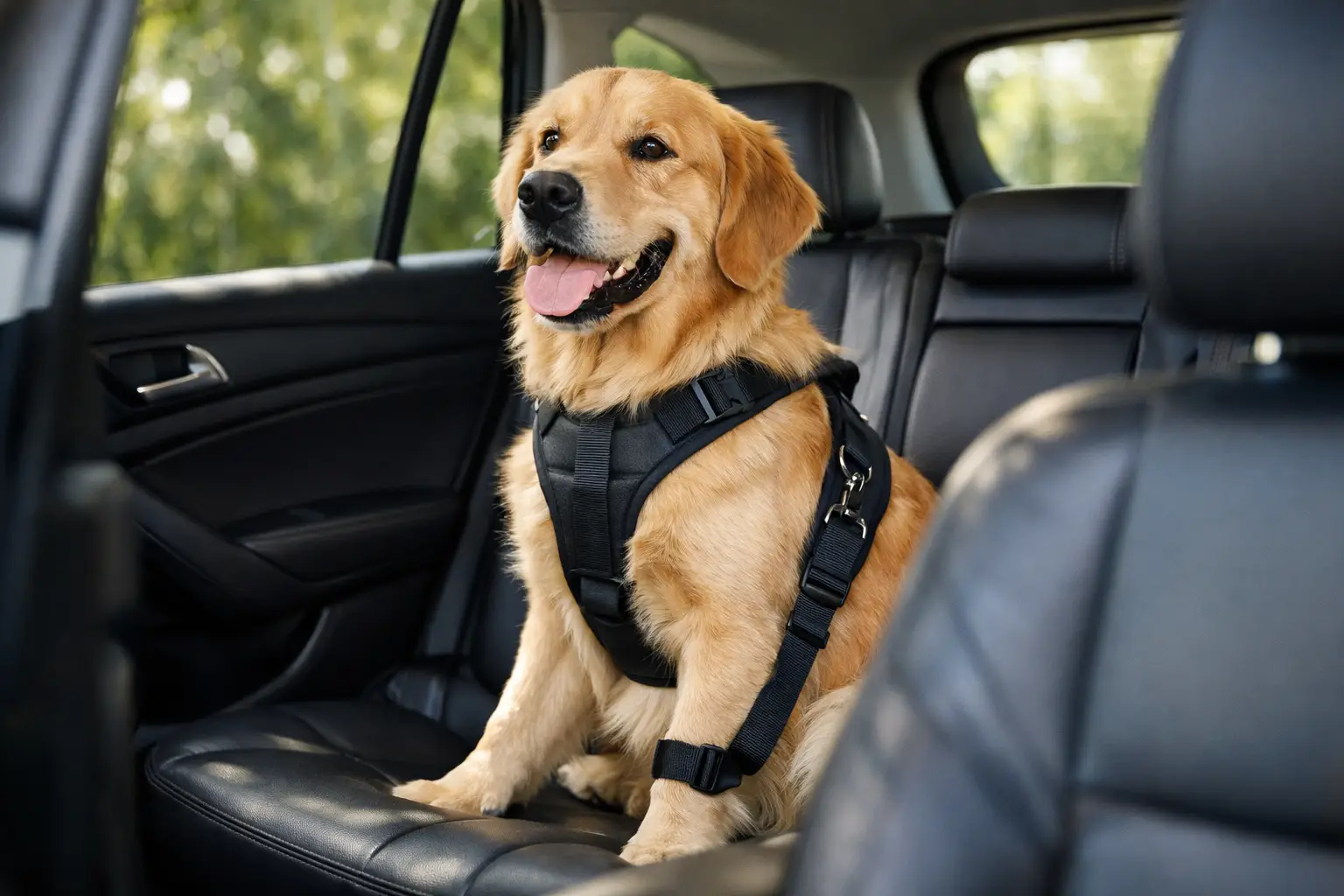
The back seat can become your dog’s favorite lookout spot, but a sudden stop can turn an ordinary drive into a stressful moment fast. A dog seat belt harness helps keep your pup in one place while you focus on the road, whether you are heading to the park, picking up groceries, or taking a longer family trip.
For many pet parents, the best choice is not simply the first harness that clips into a buckle. Fit, connection style, comfort, and your dog’s travel habits all matter. The right setup should feel easy to use every time you get in the car and comfortable enough that your dog can settle in for the ride.
Dogs move around for all kinds of reasons. They may want to sit closer to you, watch passing cars, investigate a snack bag, or greet someone at a stoplight. Even a sweet, well-trained dog can get distracted when the car is moving.
A travel harness limits that movement by connecting your dog to the vehicle’s seat belt system or a dedicated car restraint. This can help reduce roaming between seats and keep your dog from jumping into the front seat. It also gives your dog a more predictable place to rest, which may make routine rides feel calmer over time.
The biggest benefit is simple: fewer distractions for the driver. A dog riding loose can block your view, interfere with pedals, or pull your attention away at the wrong moment. A properly fitted restraint supports safer habits for everyone in the vehicle.
That said, not every harness is designed for crash protection. Some are made mainly to prevent wandering around the car. If collision-tested performance is a priority for you, check the product details carefully and choose a harness specifically made and tested for vehicle travel. Never assume that a standard walking harness offers the same level of protection.
A dog seat belt harness only works as intended when it fits your dog correctly. A loose harness may twist, shift, or allow too much movement. One that is too tight can rub, pinch, or make your pup resist getting into the car.
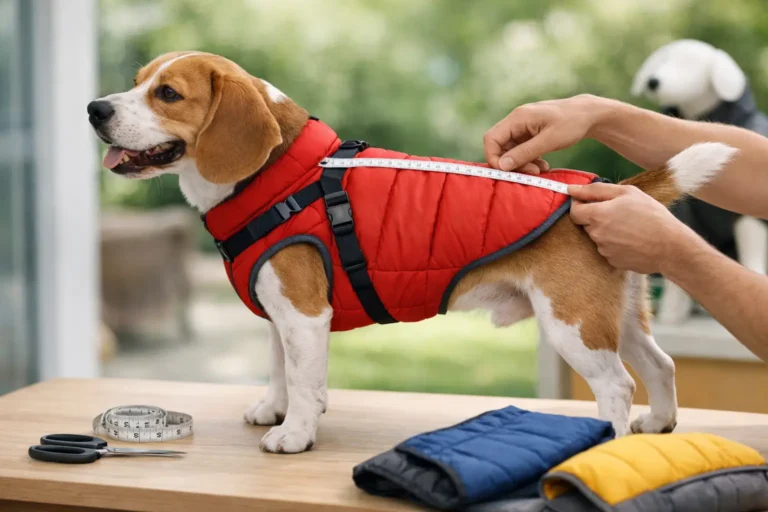
Start by measuring your dog according to the product’s size guide. Chest girth is often the most useful measurement, taken around the widest part of the rib cage just behind the front legs. Some styles also call for a neck or body-length measurement. Do not choose a size based only on breed or weight. Two dogs of the same breed can have very different builds.
Once the harness is on, use the two-finger check. You should be able to slide two fingers comfortably between the straps and your dog’s body, without leaving the harness loose enough to rotate easily. Check the chest piece, shoulder straps, and belly area for a balanced fit. The harness should sit flat rather than bunching behind the front legs.
Let your dog wear the harness indoors for a few minutes before the first drive. Offer praise, a favorite toy, or a small treat so the harness feels like the start of a good outing, not something to avoid. For dogs that are nervous about new gear, a few short practice sessions can make a big difference.
Comfort matters because a harness your dog dislikes will be harder to use consistently. Look for soft padding across the chest, smooth edges, and adjustable straps that allow you to fine-tune the fit. Breathable materials can be especially helpful during warm-weather travel.
A sturdy chest panel helps distribute pressure more comfortably than thin straps alone. For small dogs, a lightweight design may feel less bulky. For larger or stronger dogs, wider straps and reinforced construction can provide a more secure feel. The best option depends on your dog’s size, coat type, and how long you usually spend in the car.
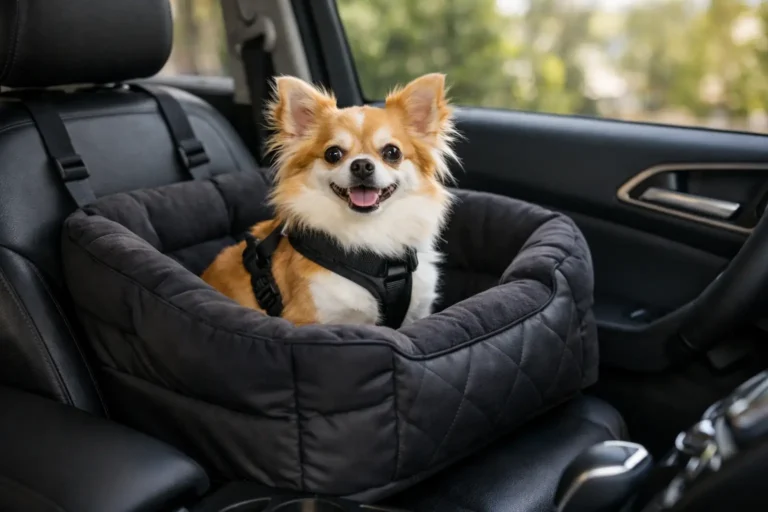
Dog vehicle restraints come in a few common styles. Many include a short tether that clips to the harness and attaches to a seat belt buckle. Others loop around the vehicle’s seat belt, while some work with the car’s child-seat anchor points. Always follow the instructions provided with the harness and your vehicle.
A buckle-style attachment can be quick and convenient, especially for everyday errands. Before relying on it, make sure the metal tongue is compatible with your car’s seat belt receiver. Buckle shapes can vary, and a connector that fits one vehicle may not fit another.
Seat belt loop systems may offer a more universal option because they use the existing shoulder belt. They can also reduce the chance that a dog accidentally steps on a buckle release. Anchor-based systems can be useful for certain setups, but they should only be used if the product is designed for that purpose.
Avoid attaching a car tether to your dog’s collar. A sudden pull on the neck can cause injury. Connect the tether to the harness attachment point recommended by the manufacturer instead.
The tether length affects both comfort and control. Your dog should be able to sit, lie down, and reposition naturally. At the same time, the tether should be short enough to prevent access to the front seat or open windows.
For most dogs, the rear seat is the practical place to travel. Keep windows closed or only slightly cracked so your pup cannot stick their head out. It may look joyful, but flying debris, insects, and sudden braking can create real risks.
If your dog rides in a crate, use a crate that is suitable for vehicle travel and secure it according to its instructions. A harness is not the only travel option, and some dogs feel more at ease in a familiar crate. The best setup is the one that fits your dog, your vehicle, and the kind of trips you take.
A new dog seat belt harness can feel strange at first, especially for dogs who have always ridden freely. Begin with a parked-car introduction. Put the harness on, clip your dog in, sit together for a minute or two, and reward calm behavior. There is no need to rush.
Next, try a very short drive around the block. Keep your voice relaxed and end the ride somewhere positive, such as a favorite walking spot. Gradually increase the length of your trips as your dog becomes more comfortable.
A few easy travel extras can help too. Bring water for longer drives, use a washable seat cover for muddy paws and shedding, and keep waste bags within reach. On hot days, never leave your dog alone in a parked car, even for a quick stop. Car interiors can heat up rapidly.
Some dogs get carsick or anxious despite a comfortable restraint. Signs can include drooling, whining, repeated lip licking, restlessness, or vomiting. If this happens often, speak with your veterinarian about practical options for your dog. A harness can help with secure positioning, but it will not solve every travel concern by itself.
It takes less than a minute to check your dog’s travel gear before you pull out of the driveway. Look for frayed webbing, cracked plastic, loose stitching, bent clips, or a buckle that does not lock firmly. Replace damaged parts instead of trying to patch them up.
Recheck the fit as your dog grows, gains or loses weight, or changes coats with the seasons. A harness that fit perfectly last year may need adjustment now. Keep the straps clean, especially after beach days, muddy walks, or spills in the car, since dirt can affect buckles and adjustment points.
For a simple, pet-friendly travel routine, keep the harness in the car or near the leash by the door. When it is easy to grab, you are far more likely to use it for every ride. Doggodays.shop makes it easy to shop practical pet travel picks alongside the everyday essentials your household already needs.
A good car ride does not have to mean your dog pacing from window to window. With a comfortable fit, a secure connection, and a little practice, your pup can settle in, enjoy the view, and arrive ready for the next adventure.








Leave a comment